
Introduction
Importing industrial equipment into Alberta is not as simple as crossing the border. Alberta regulates pressure vessels, pressure piping, and related systems at the provincial level through the Alberta Boilers Safety Association (ABSA), creating unique requirements for owners, EPCs, and equipment suppliers.
Failure to address these requirements early—especially when importing used or surplus equipment—can result in customs delays, rejected equipment, forced retrofits, or extended commissioning timelines. This article outlines the key regulatory requirements governing pressure equipment in Alberta and explains how proactive compliance planning reduces project risk.
- ABSA Jurisdiction and Pressure Equipment Regulation
Pressure equipment in Alberta is governed under the Pressure Equipment Safety Regulation (PESR), administered by the Alberta Boilers Safety Association (ABSA). ABSA is responsible for ensuring the safe design, construction, installation, and operation of pressure vessels, pressure piping, boilers, and fittings.
More information on ABSA’s role and authority can be found at:
https://www.absa.ca
- Pressure Vessel Requirements for Imported Equipment
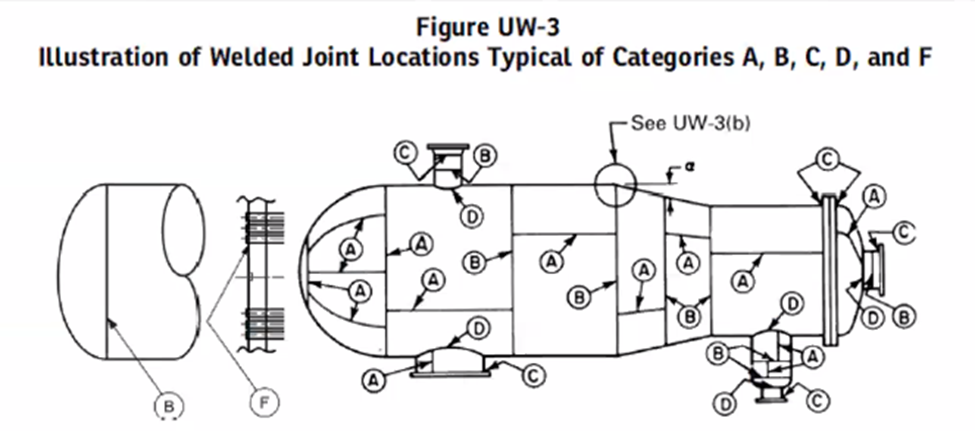
Pressure vessels imported into Alberta must comply with ASME Section VIII and be formally registered with ABSA prior to installation.
Key requirements include:
- Canadian Registration Number (CRN)
- P.Eng-stamped design calculations
- Manufacturer’s Data Reports
- ABSA-recognized fabrication and inspection records
- Material traceability and NDE documentation
Used pressure vessels often require additional engineering review to validate original design conditions, service history, and suitability for continued operation.
- Pressure Piping Design Registration
Pressure piping systems require formal design registration with ABSA, regardless of where fabrication occurs.
Commonly applied codes include:
- ASME B31.3 – Process Piping
- CSA Z662 – Oil and Gas Pipeline Systems
Design submissions typically include P&IDs, line designation tables, piping specifications, stress analysis (where required), and P.Eng-stamped documentation.
ABSA guidance on piping design registration is available at:
https://www.absa.ca/registration/pressure-piping
- Quality Management and Fabrication Controls
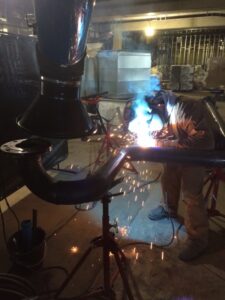 Manufacturers and contractors may be required to maintain an ABSA-registered Quality Management System (AQP) to fabricate or assemble pressure equipment for use in Alberta.
These systems govern welding procedures, welder qualifications, NDE, pressure testing, document control, and material traceability. Details on ABSA quality programs can be found at:
https://www.absa.ca/quality-management
- Electrical and Structural Compliance
Pressure equipment compliance must be coordinated with electrical and structural requirements.
Electrical systems must comply with:
- Canadian Electrical Code (CSA C22.1)
- CSA or UL-C certified components
- P.Eng-stamped electrical drawings
Structural systems must meet:
- Provincial building code requirements
- CSA W59 welding standards
- Site-specific wind and snow load criteria
- Special Considerations for Used and Surplus Equipment
Used equipment introduces additional risk due to incomplete documentation, unknown modification history, and outdated codes of construction. Alberta regulators frequently require engineering assessments or re-registration before acceptance.
CANUSA EPC has executed multiple projects involving reused equipment, including the NGL Fractionation Train Project, where previously utilized process equipment was integrated into a new fractionation facility while meeting Alberta pressure equipment and ABSA regulatory requirements:
https://canusaepc.com/ngl-fractionation-train/
Similarly, the Expandable Gas Treatment Facility Project demonstrates how phased facility development and redeployed equipment can be successfully executed when regulatory compliance is addressed early in the design process:
https://canusaepc.com/expandable-gas-treatment-facility/
For additional insight into the regulatory challenges associated with used equipment, view our Used Equipment Webinar:
https://youtu.be/u26kI4QzzvQ?si=yQ1Hrxwhs5By6LTo
- Why Compliance Before Shipping Matters
Addressing Alberta compliance requirements before equipment is shipped:
- Reduces border delays
- Avoids field rework
- Prevents inspection failures
- Protects project schedules and capital budgets
Projects involving reused pressure vessels or expandable process facilities benefit significantly from early engineering alignment with ABSA requirements.
Conclusion
Importing industrial equipment into Alberta requires more than ASME code compliance. Provincial registration, ABSA oversight, and P.Eng involvement are mandatory—particularly for pressure vessels and pressure piping systems.
Early compliance planning is especially critical for projects incorporating used or surplus equipment. With proper regulatory alignment, these assets can be successfully redeployed while maintaining safety, schedule certainty, and long-term operability.
If you are planning to import new or used industrial equipment into Alberta, our team can support ABSA registration, CRN management, engineering assessments, and full EPC execution. Contact us early to reduce regulatory risk and protect your project schedule.
__________
Author(s)
Beckie Ryan