Industry: EPC Market Update

  • One Big Beautiful Bill Boosts 45Q to $85/ton for CO₂-EOR with Geological Storage

    One Big Beautiful Bill Boosts 45Q to $85/ton for CO₂-EOR with Geological Storage

    The recently passed One Big Beautiful Bill Act preserved and enhanced carbon capture and storage (CCS) opportunities. One of the most impactful provisions for carbon capture is the expansion of the 45Q tax credit to $85 per metric ton for CO₂ used in Enhanced Oil Recovery (EOR) when the CO₂ is permanently stored in geological formations. 

    This update significantly improves the financial outlook for oil and gas developers pursuing CO₂-EOR projects that meet geological sequestration criteria. In this article, we break down the implications of this policy shift and how project developers can capitalize on it. 


    What’s New in 45Q Under the One Big Beautiful Bill? 

    The One Big Beautiful Bill Act preserves and enhances the 45Q tax credit structure, with a critical clarification: CO₂ used in EOR now qualifies for the full $85/ton credit if it is geologically sequestered. This aligns EOR with saline storage projects in terms of credit value, provided the CO₂ is not vented or recycled but permanently stored underground in accordance with the EPA Class VI well regulations. 

    Key Provisions:

    • $85/ton for CO₂ captured and geologically stored, including via EOR 
    • $60/ton remains for CO₂ used in EOR without geological storage 
    • Transferability and direct pay options remain intact 
    • No sunset clause, offering long-term certainty for developers 

    This change reflects growing recognition of EOR’s role in both emissions reduction and domestic energy production. 


    Three 45Q Benefits for CO2-EOR Project Developers 

    1. Higher Credit Value = Better IRR 

    The jump from $60 to $85/ton for qualifying EOR projects can significantly improve project economics. For example, a facility capturing 500,000 tons of CO₂ annually, means an additional $12.5 million/year in direct payments. 

    2. Geological Storage Is Now a Strategic Differentiator 

    Projects that integrate Class VI-compliant injection wells and robust monitoring, reporting, and verification (MRV) protocols can now access the higher credit tier. This incentivizes developers to design for permanence and compliance from day one. 

    3. Financing Becomes More Attractive 

    With higher credit values and continued transferability, tax equity investors are more likely to participate. This opens the door for alternative financing solutions like non-recourse project financing and joint ventures. 
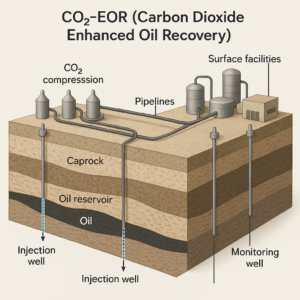
    Animated Image of CO2-EOR System Diagram

    Modular Deployment Reduces Risk and Cost in 45Q-Qualified Projects 

    CO2 projects requirements still incentivize modular execution. Incorporating modular process packages and construction not only reduces risk related to field construction, it’s a strategic tool for moving scope that is governed by 45Q labor requirements onsite to offsite scope; providing lower costs overall and less liability due to prevailing wage. 


    Why Modular Execution Matters: 

    Reducing Risk for 45Q Wage Requirements

    • Offsite labor is not subject to prevailing wage reporting or apprenticeship metrics, allowing the project to source market rate labor offsite and lowering the burden cost for the project.
    • Only onsite labor requires detailed reporting for compliance tests for 45Q.  Shifting scope to offsite locations reduced the cost of compliance. 

    Cost Control 

    • Onsite scope is exposed to risks from weather delays and increased mobilization costs to site.  These costs can be better controlled in a fabrication facility, reducing contingency estimates for the project. 
    • Labor demands in regions are affected by activity from all operators and the limited local skill pool.  Leveraging offsite fabrication allows for the scheduling of resources will limit risk to shortages. 

    Timeline Optimization for 45Q Eligibility 

    • Developers can begin construction on initial modules to meet IRS “begin construction” rules under Safe Harbor, securing eligibility while continuing to develop the rest of the project. 

    CANUSA EPC’s execution model brings practical modularization to your project. Read more about some of our projects using modular approaches such as the Helium Multiwell Purification Battery or 50 MMSCFD Gas Compressor Station. 


    Technical Requirements for Qualifying CO₂-EOR Projects 

    According to the DOE’s CCUS Appendix H, projects must meet several technical criteria to qualify for the $85/ton credit: 

    • High-purity CO₂ supply (typically >95%) 
    • Compression systems capable of delivering CO₂ at 1,200–2,200 psi 
    • Reservoirs with sufficient porosity and caprock integrity 
    • EPA Class VI injection wells for geological storage 
    • MRV plans approved by the EPA or equivalent state authority 

    Developing a low-cost injection project requires selection of the proper dehydration approach for water-saturated CO2.  CANUSA EPC has released dehydration studies for CO2 projects, helping you select the correct technology for your CO2 project. 


    Strategic Recommendations for CO2 EOR Evaluations 

    • Determine Key Performance Metrics: Execute a FEED study to determine the proper metrics for financial investment; levelized cost per mton of CO2 product, carbon intensity to capture and process the CO2, and utility requirements. 
    • Leverage Modular EPC Execution: Accelerate lead times, improve cost control, and reduce compliance costs with modularized systems. 
    • Engage Tax Equity Partners Early: The $85/ton credit makes your project more bankable — capitalize on it. 
    • Audit Your CO₂ Source: Ensure your CO₂ stream meets purity and volume thresholds to qualify. 


    Conclusion 

    The One Big Beautiful Bill Act has solidified the opportunity landscape for CO₂-EOR projects. By extending the $85/ton 45Q credit to EOR with geological storage, it rewards projects that combine carbon mitigation with energy production. For developers ready to meet the technical and regulatory requirements, the path to profitability just got a lot clearer. 
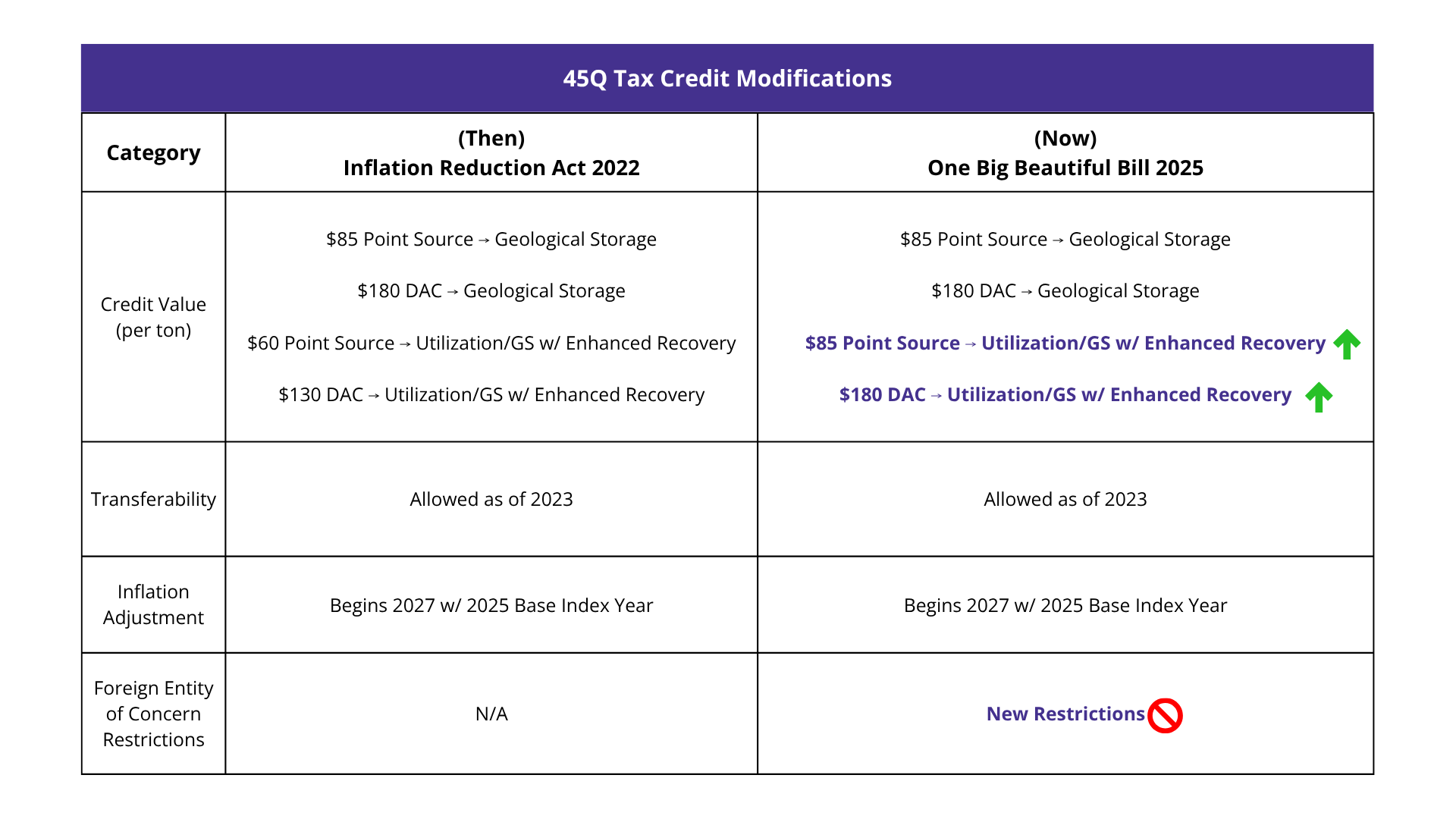
    Table Changes For OBBB Act

    Ready to design a CO₂-EOR project that qualifies for $85/ton?
    Connect with us to explore FEED support, modular compression systems, and turnkey EPC execution tailored for carbon capture and EOR. 


    PAPER AUTHORS  

    Forrest Churchill 


    External Sources: 

    https://www.congress.gov/bill/119th-congress/house-bill/1/text

    https://www.epa.gov/uic/final-class-vi-guidance-documents

    https://energy.sustainability-directory.com/term/non-recourse-financing/ 

    https://www.energy.gov/sites/default/files/2022-10/CCUS-Appendix_H-030521.pdf  

    https://www.globalccsinstitute.com/news-media/latest-news/u-s-preserves-and-increases-45q-credit-in-one-big-beautiful-bill-act/  
  • Navigating CO2 Project Developments: A Guide for Investment Considerations

    Navigating CO2 Project Developments: A Guide for Investment Considerations

    The development of carbon capture, utilization, and storage (CCUS) projects presents unique opportunities and challenges for investment firms looking to deploy capital into the carbon capture space. CANUSA EPC, with its extensive experience in evaluating and developing carbon capture projects, offers valuable insights and strategies to navigate this complex landscape.

    Determining Your Levelized Cost of CO2

    Determining the internal rate of return requires accurate Capital Expenditures as well as Operational Expenditures to determine the levelized cost of capture and transport of the CO2.

    The CapEx for the facility encompasses the construction of the capture process to provide the CO2 product. A large portion of CO2 project equipment costs will be tied up in compression equipment. Typically, large compression systems are custom-fabricated and require specialized services that are not readily available. Instead, CANUSA EPC recommends deploying compression systems with smaller units in parallel designs. This solution is more likely to:

    • be readily available (compress schedule),
    • allow for efficient capacity modulation of the system,
    • provide efficient scalability for capacity, and
    • produce higher reliability for the project.

    The OpEx to run the facility is predominately based on power consumption. There are important strategies to ensure the facility runs efficiently and power costs are structured appropriately. VFDs and soft starts can be used in combination to lower demand spikes and electricity bills. Read more about electrical drive approaches.

    Technology Development for CO2 Capture

    Capturing CO2 from sources with higher concentrations of CO2 (greater than 8%) leads to lower separation costs and less energy consumption. High concentrations of CO2 present de-risked capture technology, as they can rely on traditional methods. Recent technological deployments for engine emission applications are trending towards $40 per metric ton of CO2. CANUSA EPC highlights that CO2 emissions from amine plants and ethanol facilities are relatively pure and can be economically delivered to pipeline or beverage grade specifications. Read a detailed case study: CO2 Injection & Amine Emissions Capture.

    Transportation: Best By Truck, Rail, or Pipeline?

    Transporting CO2 from the capture site can be done via truck, rail, or pipeline, similar to oil or bulk goods. Trucking is suitable for smaller projects, topping out around 150 metric tons per day (MTPD) due to logistical complexities. Rail applications are viable for projects approaching 400 MTPD when there is an existing train line near the facility. Pipelines are the most efficient way to transport large amounts of CO2 to hubs for injection or distribution to industrial users. CANUSA EPC advises focusing on injecting CO2 into saline reservoirs close to the emitter source in states with primacy over Class II injection wells, as these projects are quicker to approve1.

    What Government Incentives are Applicable to CO2 Capture?

    The long-term commercial use of CO2 as an emission removal tool is still developing. Government programs, such as those funded under the Inflation Reduction Act (IRA), support many active projects through reimbursement programs like 45Q or 45Z. CANUSA EPC emphasizes the importance of executing projects in a manner that meets IRA requirements to take advantage of these incentives. This approach provides flexibility to adapt to any changes in the program. Read more about rebates for your project.

    Approaching Carbon Developments Wisely

    To successfully navigate the complexities of CO2 project development, it’s crucial to consider:

    • developing a levelized cost of carbon that accounts for CapEx and OpEx,
    • leveraging reliable CO2 capture technologies,
    • optimizing transportation methods or remove them with onsite injection, and
    • capitalizing on government incentives.

    By implementing these strategies, investment firms can enhance the efficiency and profitability of their CO2 projects while contributing to a sustainable future.


    Let’s work together to help build a financial model for your CO2 project.  With just a few data points, we will provide a report that will bring clarity to your project’s feasibility – request a free Class V Estimate.


    Source: 1 https://www.epa.gov/uic/primary-enforcement-authority-underground-injection-control-program-0


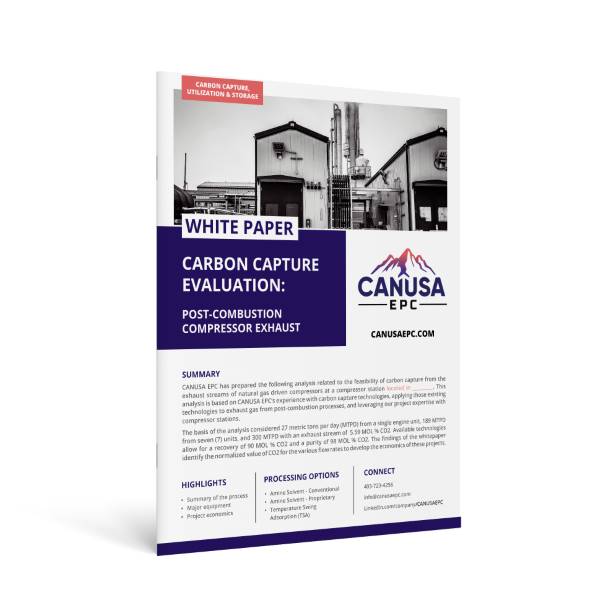
  • Carbon Capture Evaluation

    Carbon Capture Evaluation

    Post-combustion Compressor Exhaust

    Summary

    CANUSA EPC has prepared the following analysis related to the feasibility of carbon capture from the exhaust streams of natural gas driven compressors at a compressor station located in North America. This analysis is based on CANUSA EPC’s experience with carbon capture technologies, applying those existing technologies to exhaust gas from post-combustion processes, and leveraging our project expertise with compressor stations.

    The basis of the analysis considered 27 metric tons per day (MTPD) from a single engine unit, 189 MTPD from seven (7) units, and 300 MTPD with an exhaust stream of 5.59 mol % CO2. Available technologies allow for a recovery of 90 mol % CO2 and a purity of 98 mol % CO2. The findings of the white paper identify the normalized value of CO2 for the various flow rates to develop the economics of these projects. *Based on 2023 industry developments.

    This guide includes:

    • Summary of the process
    • Major equipment
    • Project economics
  • Repurposing Oil & Gas Equipment: A Cost-Effective Solution?

    Repurposing Oil & Gas Equipment: A Cost-Effective Solution?

    Energy projects face shrinking budgets and tighter timelines. Operators, together with their engineering teams, are challenged to find creative cost-reduction solutions without compromising safety or performance.  

    Reusing, relocating, and repurposing oil and gas equipment, is a popular strategy for its cost-effectiveness. Whether placing existing separators into new services or relocating gas compressors and refrigeration units to new fields, this approach can help you meet deadlines and budget constraints. 

    There are many reasons to explore this strategy; however, ‘proceed with caution’ is our overarching advice. There may be instances in which new equipment is still the more reliable and effective solution. 

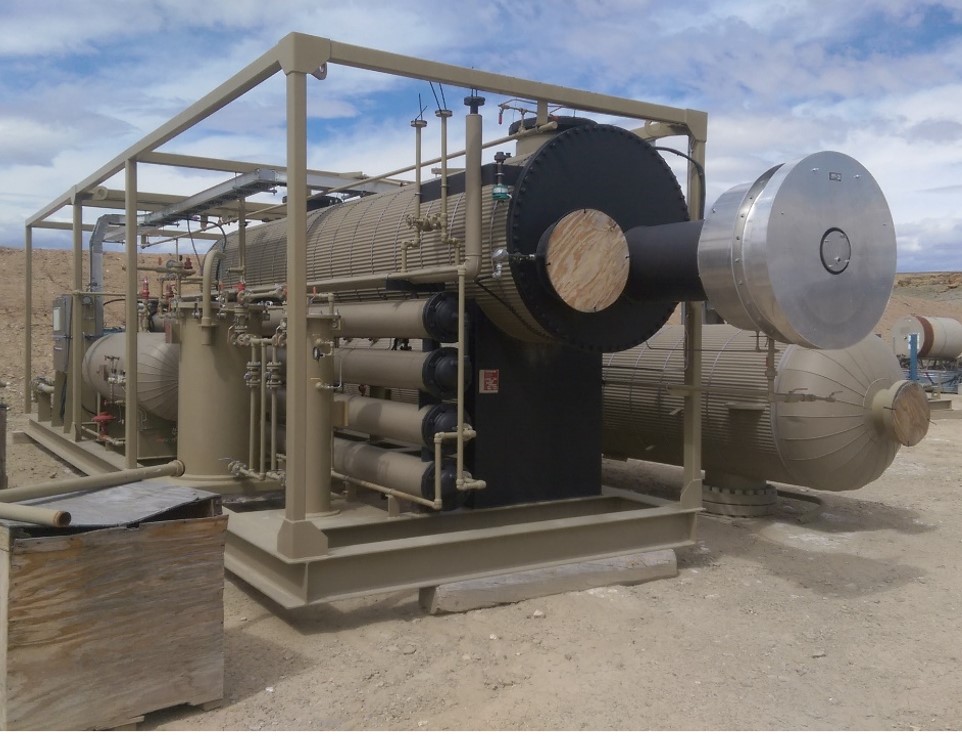
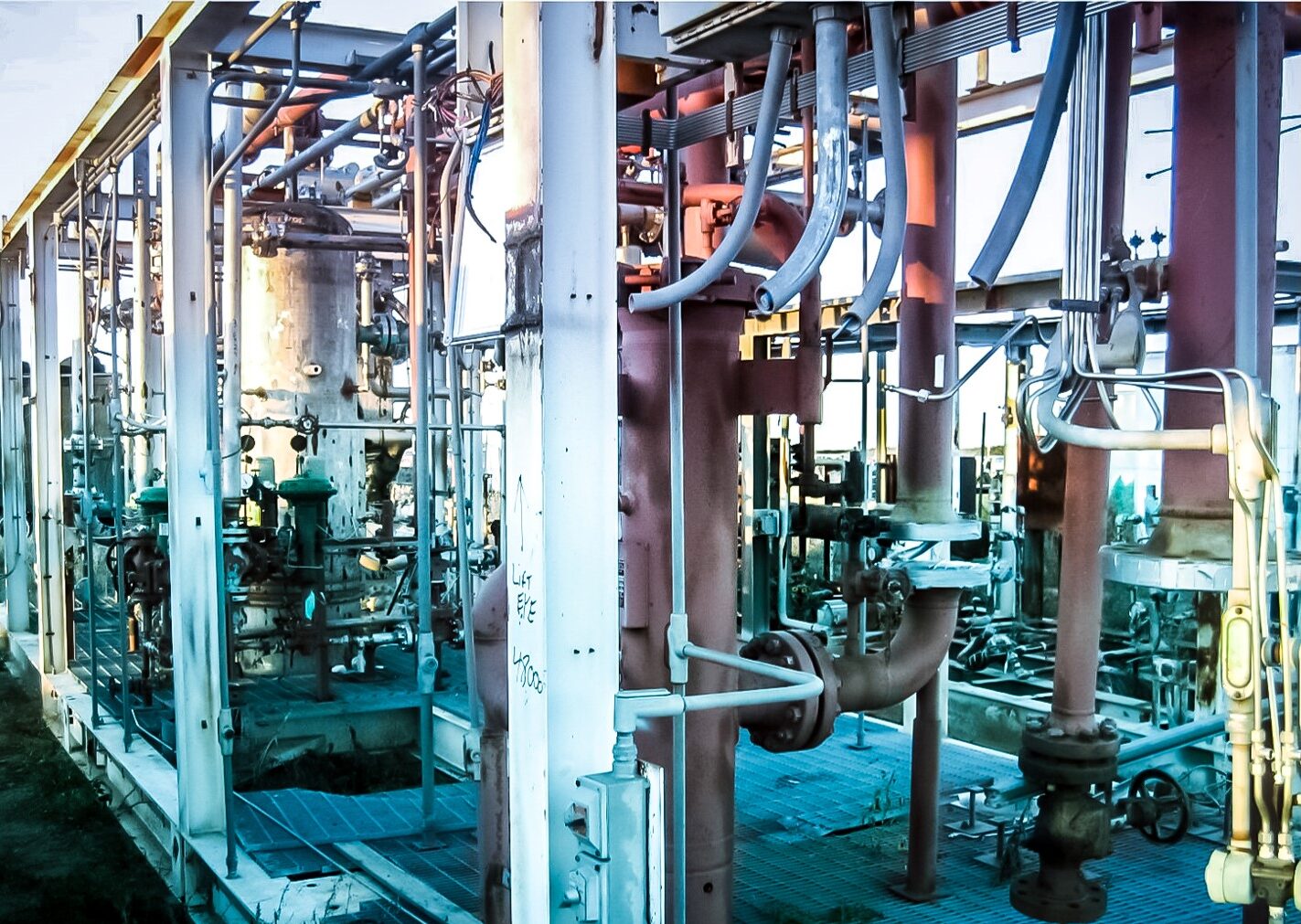
    used equipment on skid

    Benefits of Repurposing Oil and Gas Equipment?

    • Cost Savings:
      Leveraging existing assets can reduce capital expenditure.  This cost savings though if often reduced after include inspection and modification scope for repurposing the equipment.
       
    • Time Efficiency:
      Reused equipment, when available and functional, can often be deployed more quickly than waiting for new orders.
       
    • Sustainability:
      Repurposing equipment aligns with corporate sustainability goals by reducing waste and extending the lifecycle of assets.


    direct fired stabilizer skid

    Key Considerations for Reusing Equipment 

    Governing Codes and Standards
    When repurposing oil and gas equipment, it’s crucial to follow applicable industry standards to ensure safety and performance.  These are some of the most relevant codes: 

    • API 510: Pressure Vessel Inspection Code 
    • API RP 572: Inspection Practices for Pressure Vessels 
    • API 570: Piping Inspection Code 
    • API RP 576: Inspection of Pressure-Relieving Devices 
    • API STD 653: Tank Inspection, Repair, Alteration, and Reconstruction 
    • API STD 579: Fitness-for-Service 

    Compliance with these standards ensures that reused equipment can be safely integrated into new operations. 

    API | Purchase API Standards & Software


    ASME
    In addition to API codes, several other standards must be adhered to, depending on the jurisdiction and specific industry requirements. Organizations must follow all application health and safety regulations.  


    CODES/STANDARDS FOR REUSING EQUIPMENT IN CANADA

    CSA Standards (Canadian Standards Association): 

    • CSA B51: Boiler, Pressure Vessel, and Pressure Piping Code: Governs the construction, installation, inspection, and certification of pressure vessels and piping systems across Canada. 
    • CSA Z662: Oil and Gas Pipeline Systems: Governs the design, construction, operation, and maintenance of pipeline systems in Canada. It’s essential for any relocation or repurposing of gas pipelines and similar systems. 
    • CSA W59: Welded Steel Construction: This is relevant for any welding work needed in repurposing or relocating equipment. 

    Provincial and Territorial Regulations: 

    • Each Canadian province and territory havs its own regulatory body that oversees pressure vessels and related equipment. For example, ABSA (Alberta Boiler Safety Association) in Alberta regulates pressure equipment safety in the province. 


    CODES/STANDARDS FOR REUSING EQUIPMENT IN THE USA

    ASME (American Society of Mechanical Engineers) Codes 

    • ASME Section VIII: Rules for Construction of Pressure Vessels: This code is widely used across the United States and is also accepted in Canada. 
    • ASME B31.3: Process Piping: This applies to piping used in chemical, petroleum, and related industries. 

    National Board Inspection Code (NBIC)

    • A key standard in the United States for the inspection, repair, and alteration of pressure vessels and boilers. 


    CROSS-BORDER COMPATIBILITY

    If equipment is being relocated across borders (e.g., from the U.S. to Canada or vice versa or state-to-state), it’s important to ensure that the equipment complies with the local regulatory standards in the new jurisdiction. 


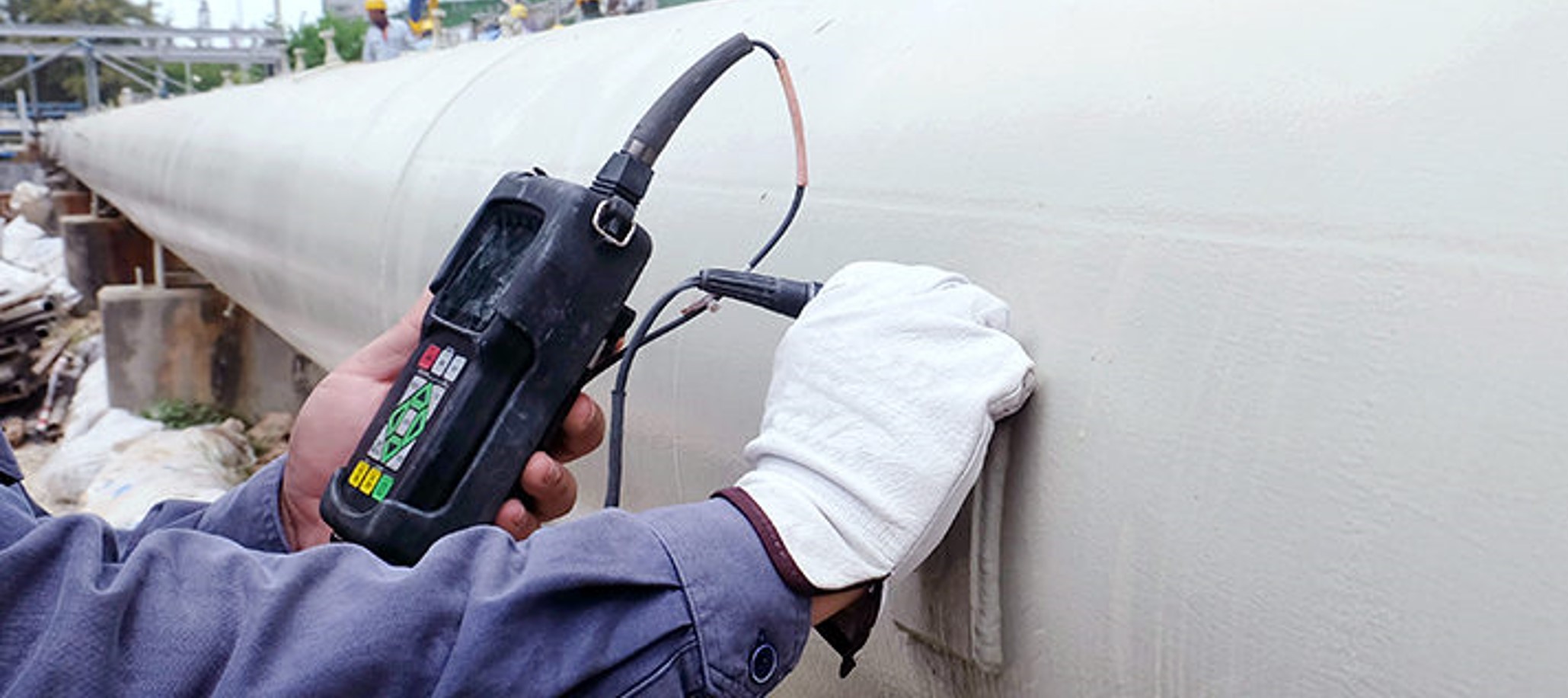
    hand and monitoring device inspecting used equipment

    Inspection Requirements 

    Before deploying any equipment into new service, a thorough inspection is necessary. A detailed inspection plan should be developed based on the equipment’s condition, service history, and the specific requirements of the new application. 

    Key Inspection Elements: 

    • Service History: Understanding the previous operational conditions is critical. Identify signs of corrosion, cracking, blistering, and other types of degradation. Key factors include material thickness, the presence of under-insulation corrosion, and dimensional changes. 
    • Non-Destructive Examination (NDE): Depending on the equipment’s condition, this may include ultrasonic thickness measurements, radiographic inspections, and magnetic particle testing. 
    • Confined Space Entry Requirements: Ensure proper safety protocols are in place, as many inspections may require confined space entry. 
    • Documentation Review: It’s critical to review previous drawings, inspection records, and any reports related to modifications, damage, or repairs. 


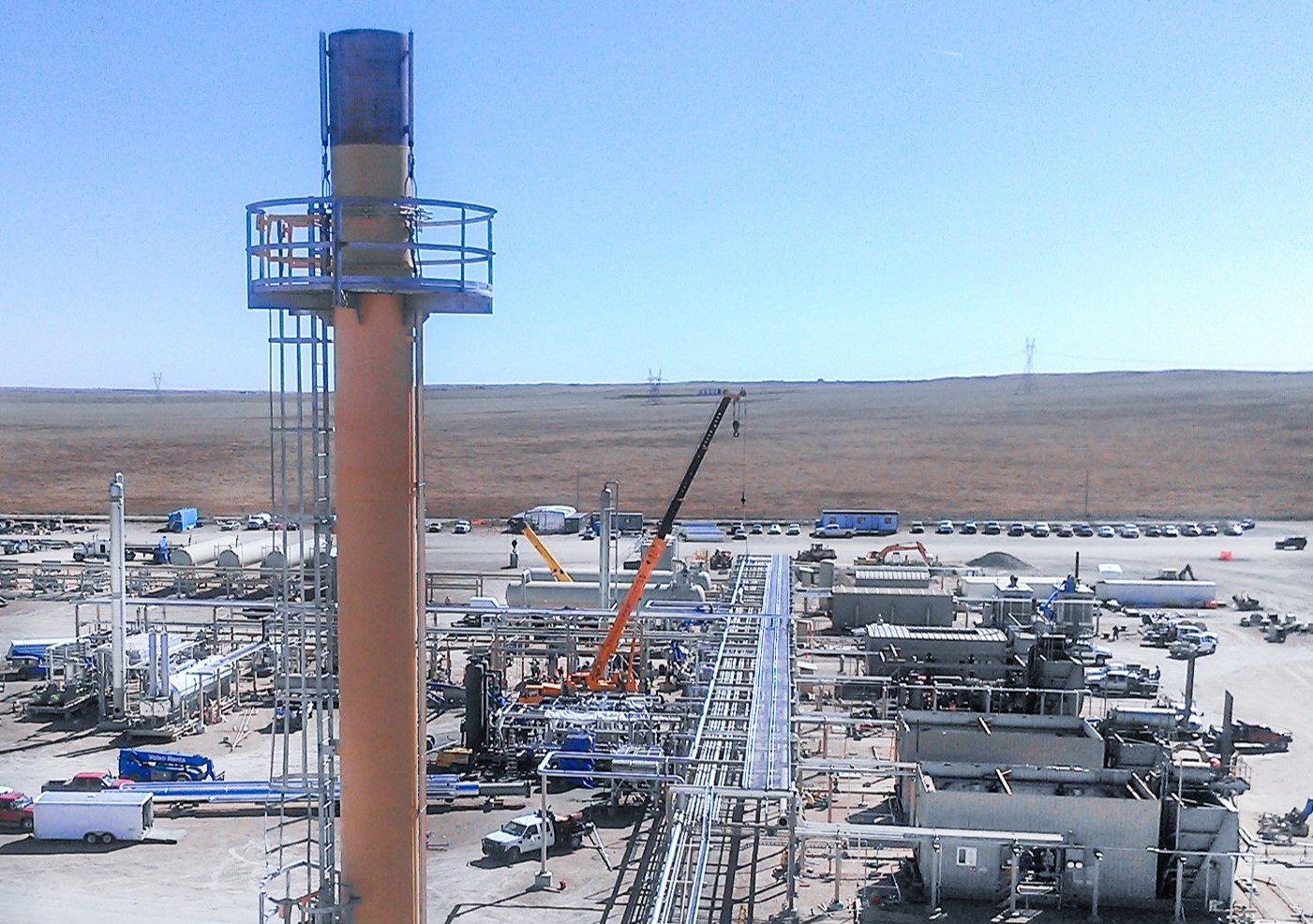
    birds eye view of oil and gas site

    Challenges in Documentation and Material Verification 

    Lack of proper documentation (e.g., missing original equipment drawings or insufficient inspection records) is a significant red flag.  

    For pressure vessels, the ASME Code Section VIII, Division I, UG-10(c) provides guidance for handling unknown materials, but it may lead to conservative assumptions, such as reducing the maximum allowable stress and working pressure. 

    For cryogenic skids, ASME B31.3 (Process Piping) and Section VIII, Division I provide guidance on material selection and stress analysis. When dealing with unknown materials in cryogenic service, you must perform material verification, including testing for low-temperature toughness. If material properties cannot be confirmed, conservative assumptions such as derating the design temperature and applying a lower allowable stress may be necessary, potentially impacting the overall performance and safety of the skid in cryogenic applications. 


    Case Example: When Re-purposing Costs More 

    While repurposing equipment can lead to savings, without the proper pre-evaluation, there is great risk that it could have the opposite effect.  

    Consider a 5,000 bpd stabilizer skid package with an on-skid direct-fired reboiler.  

    Overseen safety concerns necessitate replacing the burner fire tube with a custom electric heater. This modification incurred costs that exceeded the procurement of a traditional reboiler unit. Additionally, shop installation delays pushed the project past the lead time for new equipment. 


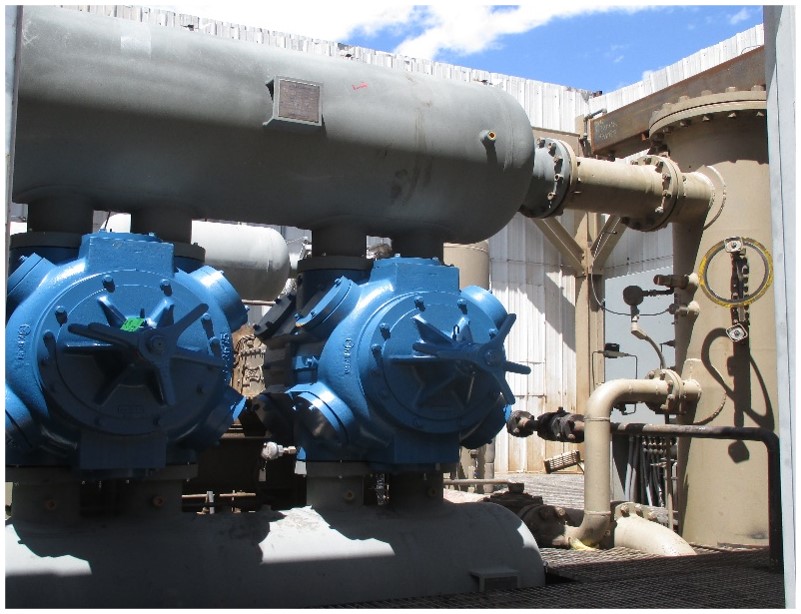
    equipment on cryogenic skid

    Is Reused Equipment Always Faster and Cheaper? 

    The benefits of reusing equipment must be weighed against potential downsides, such as: 

    • Modifications that are more expensive than anticipated. 
    • Delays caused by unforeseen repair or upgrade needs. 
    • Documentation issues that result in excessive safety factors and reduced efficiency. 

    In some cases, especially with high-pressure equipment, the savings from repurposing can be significant. However, lower-pressure systems may not justify the additional effort, and purchasing new equipment might be the more cost-effective solution in the long run. 


    bullet vessels on oil and gas site

    How to Be Sure: Inspections for Assessing the Viability of Used Equipment 

    While reusing equipment has clear advantages, in some cases, new equipment may still be the more reliable and effective solution.  

    Your engineering team must be able to clearly identify the risks and rewards of deploying used equipment. A thorough inspection and documentation verification will empower you to make informed decisions about equipment use, while balancing cost, time, and safety. 

    Consider: 

    • Involvement of Engineering Early On:
      Involving engineers in the evaluation process can identify potential risks and help determine whether the repurposed equipment will meet operational requirements.
       
    • Transparent and Clear Documentation/Inspection Findings:
      Without these, the project could face significant delays and/or incur higher costs.
       
    • Creative Solutions:
      Sometimes, existing equipment needs only minor adjustments to function in a new service. These modifications must be balanced against the cost and time of new equipment procurement.


    If you have access to used equipment and are curious of the potential savings – connect with us.
    It is vital to properly assess the risks and rewards!

  • Inflation Reduction Act for CO2 Facilities

    Inflation Reduction Act for CO2 Facilities

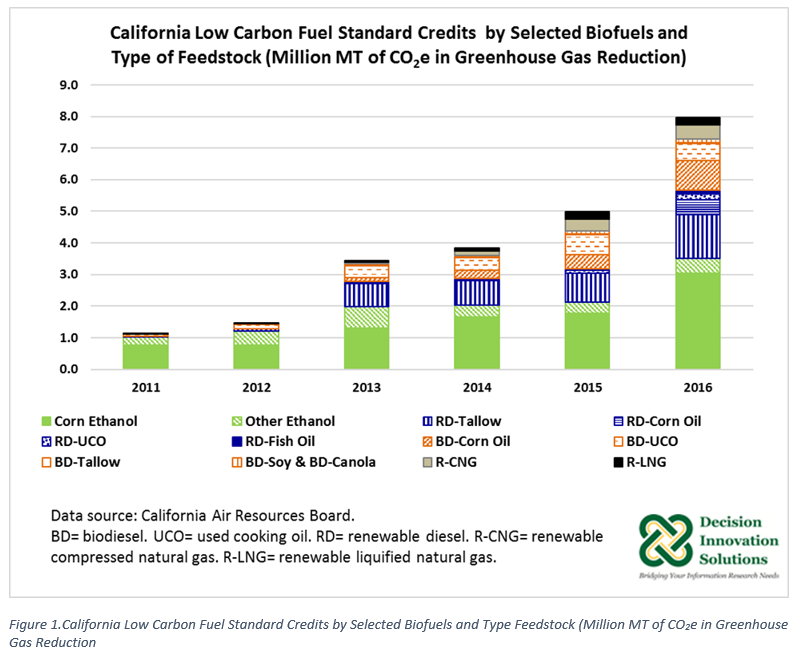
    The Inflation Reduction Act (IRA) has been an active policy since August 16th, 2022.  As the law has evolved, navigating this laws requires an understanding of how to structure projects to meet the requirements.  Requirements for Inflation Reduction Act CO2 projects are governed by two sections of the law. 45Q covers the tax policies related to facilities sequestering CO2 and the rebates available to those companies based on how the CO2 is sequestered or used.  Sunset timelines for 45Q are December 31st, 2032.  45Z is related to rebates for low-carbon fuel production, where CO2 capture can be used to reduce the carbon intensity of those fuels for a rebate.  45Z’s timeline is applicable for production between January 1st, 2024 and December 31st, 2027.

    https://home.treasury.gov/policy-issues/inflation-reduction-act/ira-related-tax-guidance
    Graph showing low carbon fuel demand

    Chart provided by Decision Innovation Solutions – July 6th, 2017

    As the industry has sought to utilize these rebates, comments and clarifications have been provided.  We are sharing how some of those clarifications should be considered in your project execution of facilities and products making use of IRA rebates.

    Implications in CO2 Facility Execution for IRA Rebates – 45Q and 45Z

    There are two major factors in requirements for Inflation Reduction Act CO2 projects.  Ensuring that your project considers these requirements and aligns with your contracting strategy for the facility is key to being able to claim the rebates for your project. Meeting these requirements can lead to 5x the rebate from the project, sometimes up to 50% of a project’s capital cost.

    What is the prevailing wage and who governs it?

    The prevailing wage is a locality-based wage measurement tracked by the Department of Labor.

    “A prevailing wage is the combination of the basic hourly wage rate and any fringe benefits rate, paid to workers in a specific classification of laborer or mechanic in the geographic area where construction, alteration, or repair is performed, as determined by the Secretary of Labor in accordance with subchapter IV of chapter 31 of title 40 of the United States Code, also known as the Davis-Bacon Act.”

    https://www.dol.gov/agencies/whd/IRA

    The apprenticeship requirements have increased since the law was signed.

    “Taxpayers shall ensure that, with respect to the construction of any qualified facility, not less than the applicable percentage of the total labor hours of the construction, alteration, or repair work (including such work performed by any contractor or subcontractor) with respect to such facility shall, subject to subparagraph (B), be performed by qualified apprentices.

    In the case of a qualified facility the construction of which begins after December 31, 2023, 15 percent.”

    https://www.law.cornell.edu/uscode/text/26/45#b_8

    Managing Prevailing Wage and Apprenticeship Requirements for the IRA

    Execution strategy can be used to limit exposure and ensure compliance for successful rebates.  Focusing on the definition of a “qualified site” and a secondary site will allow projects to limit the scope that applies to the requirements.  Clarifications to this were provided on June 25th by the Department of the Treasury.

    Welder for Apprenticeship Requirements

    https://www.federalregister.gov/documents/2024/06/25/2024-13331/increased-amounts-of-credit-or-deduction-for-satisfying-certain-prevailing-wage-and-registered

    The structure of the contract terms, including penalty clauses and remediation for the failure to meet and document the requirements should be another focus of the project execution plan.  Secure legal counsel who is familiar with this law and industrial contract negotiations for the review of the contracts.  GrantThorton has some summaries on their website that convey they are experts in the matter and there are many other legal firms out there that can help.

    https://www.grantthornton.com/insights/alerts/tax/2023/flash/irs-details-wage-and-apprenticeship-requirements

    A Path to Successful CO2 Project Execution

    All projects have similar milestones for evaluation, selection, funding, definition, and execution.  During the project evaluation and selection process, discuss the IRA requirements.  At CANUSA EPC, being transparent with the project stakeholders throughout the project allows the team to progress with the execution while staying aligned with the goals of the client.   We don’t claim to provide problem free projects, but we do hold the expectations of our team and clients to work through the problems in a transparent manner.

    Reach out if you have any questions or comments, and we will be happy to provide our expertise to your team.  Project experience from CANUSA EPC related to CO2 can be found at our expertise page.

  • May Producer Price Index Rates – A Surprise Drop

    May Producer Price Index Rates – A Surprise Drop

    Producer Price Index (PPI) Rates – May 2024

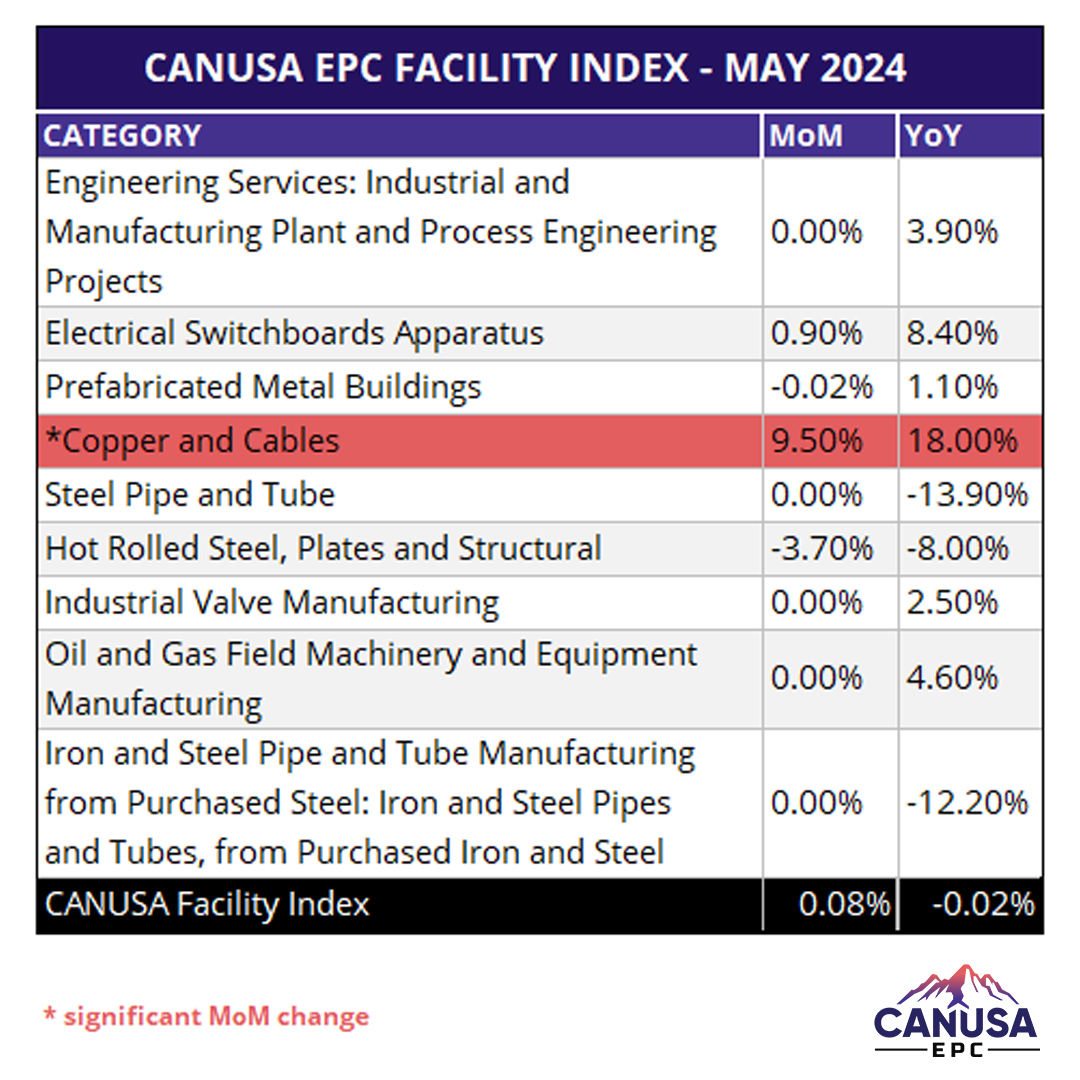
    The Producer Price Index (PPI) is a measure of the average change in the prices received by domestic producers for their output. It is a key indicator of inflation and cost pressures in the economy. The PPI for May 2024 fell by an unexpected 0.2% month-over-month (MoM), compared to an increase of 0.5% that was expected by economists. This was the first decline in the PPI since December 2023, and it was mainly driven by lower prices for energy and food products.

    Below is a breakdown of pricing we follow and our Facility Index, prices for industrial facilities were largely flat Month over Month.


    CONNECT WITH CANUSA EPC 

    The CANUSA Facility Index is a valuable tool for our clients and partners, as it helps them monitor the market conditions and plan their projects accordingly. We update the index every month, based on the latest PPI data and our own analysis. If you want to learn more about the CANUSA Facility Index, or how we can help you with your industrial facility needs, please contact us at info@canusaepc.com.

  • How the Producer Price Index Impacts the CANUSA Facility Index

    How the Producer Price Index Impacts the CANUSA Facility Index

    What is the Producer Price Index (PPI)?

    The Producer Price Index (PPI) is a measure of the average change in the prices received by domestic producers of goods and services. It is a leading indicator of inflation and reflects the cost pressures faced by businesses. The PPI covers various sectors of the economy, such as manufacturing, mining, agriculture, and utilities.

    At CANUSA, we keep track of relevant economic categories for industrial facilities, such as piping, valves, fittings, metal products, machinery, and electrical equipment. We use a weighted average of these categories to create the CANUSA Facility Index, which we believe accurately reflects the pricing changes of the industrial facility market in North America.

    Producer Price Index – April 2024

    The U.S. Bureau of Labor Statistics released the PPI for April 2024, which showed an increase of 2.2% (YoY) from the same month last year.

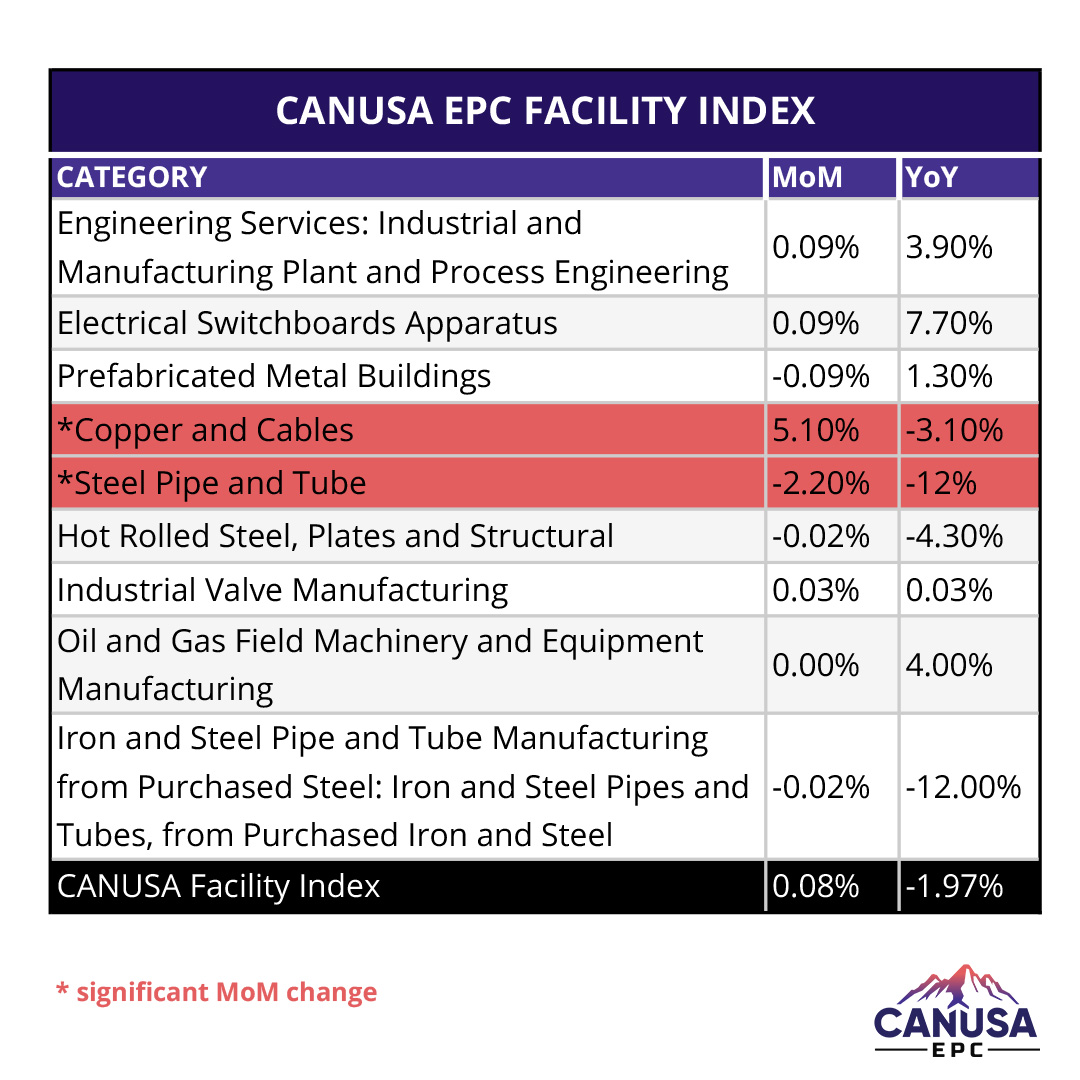
    Below are the month-over-month and year-over-year changes for our key categories, based on the data from the St. Louis Fed.

    Piping and manufacturing is continuing to keep the CANUSA Facility Index down year-over-year, recording a –1.97% change from last April.

    This is mainly due to the excess capacity and lower demand for oil and gas products, which are the main drivers of piping and manufacturing activity. Electrical equipment continued to increase this month and we see this trend continuing.


    CONNECT WITH CANUSA EPC 

    The CANUSA Facility Index is a valuable tool for our clients and partners, as it helps them monitor the market conditions and plan their projects accordingly. We update the index every month, based on the latest PPI data and our own analysis. If you want to learn more about the CANUSA Facility Index, or how we can help you with your industrial facility needs, please contact us.