Industry: Project Execution

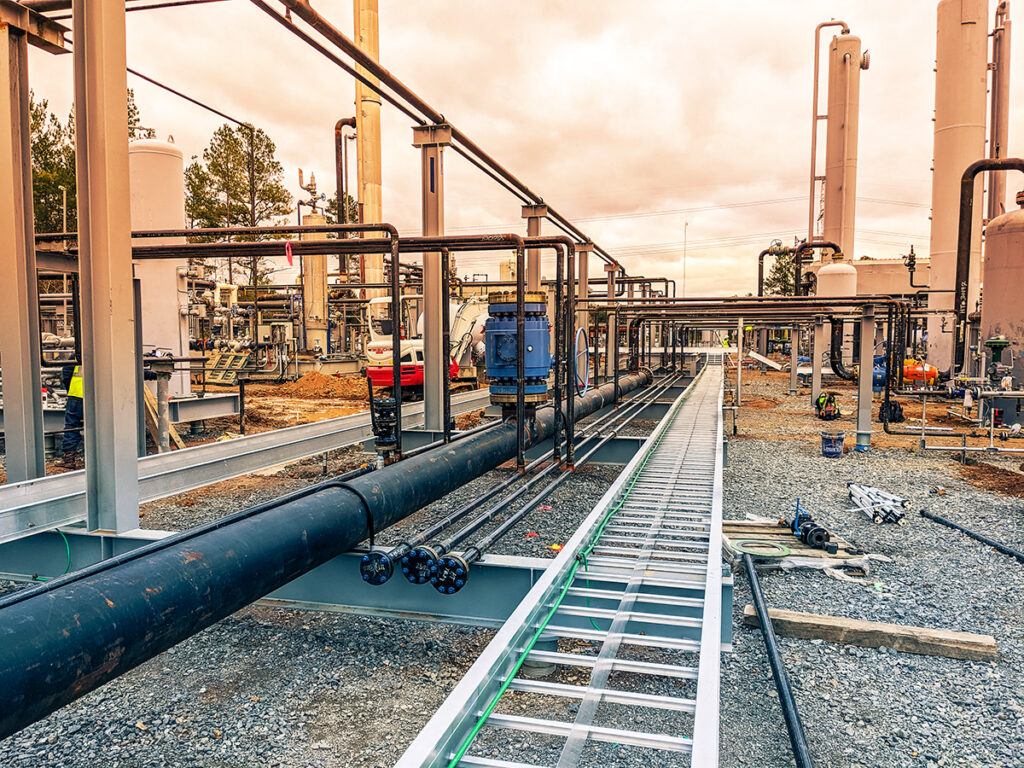
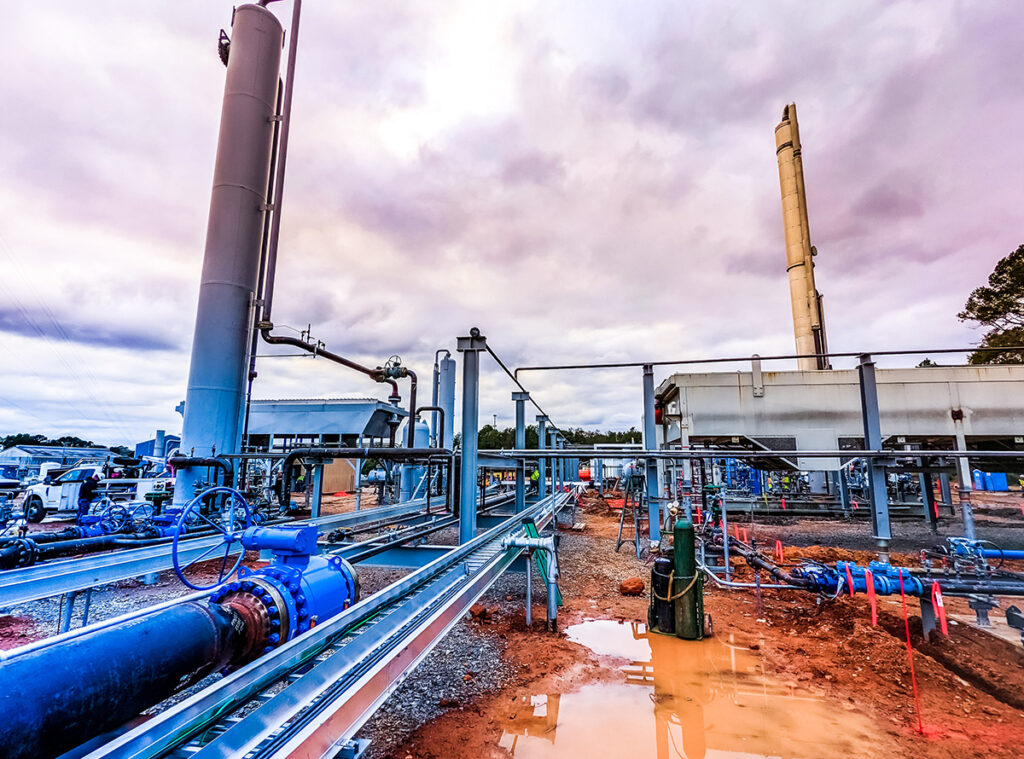
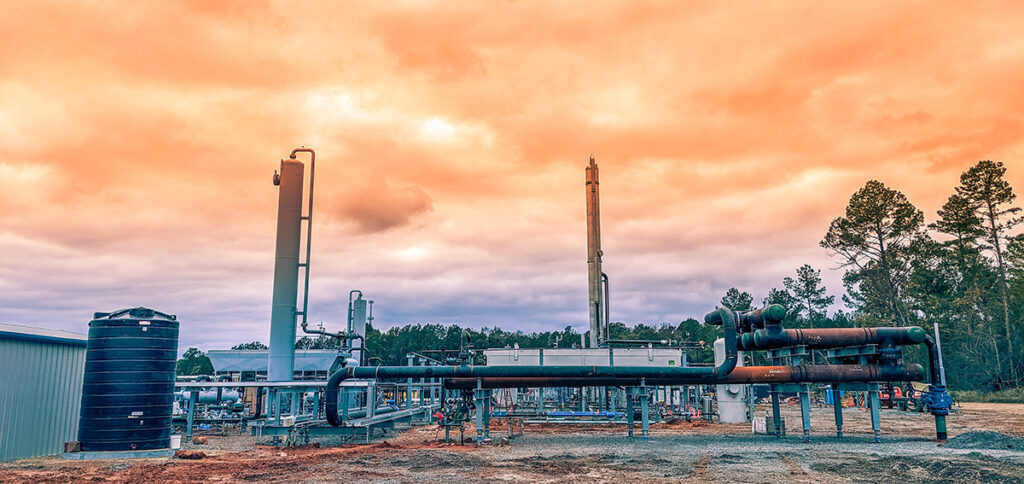
  • 200 MMSCFD System Expansion

    200 MMSCFD System Expansion

    The Challenge

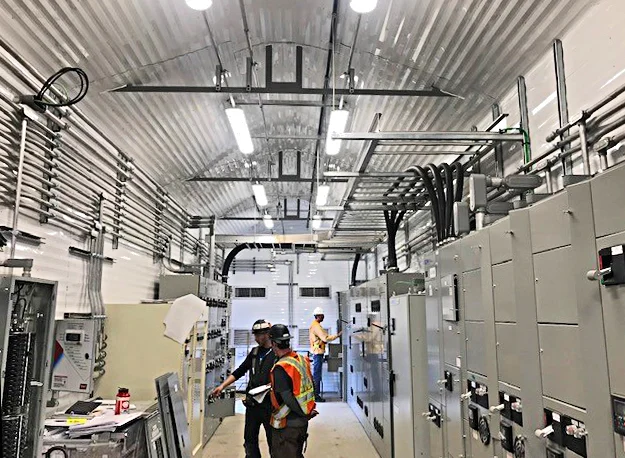
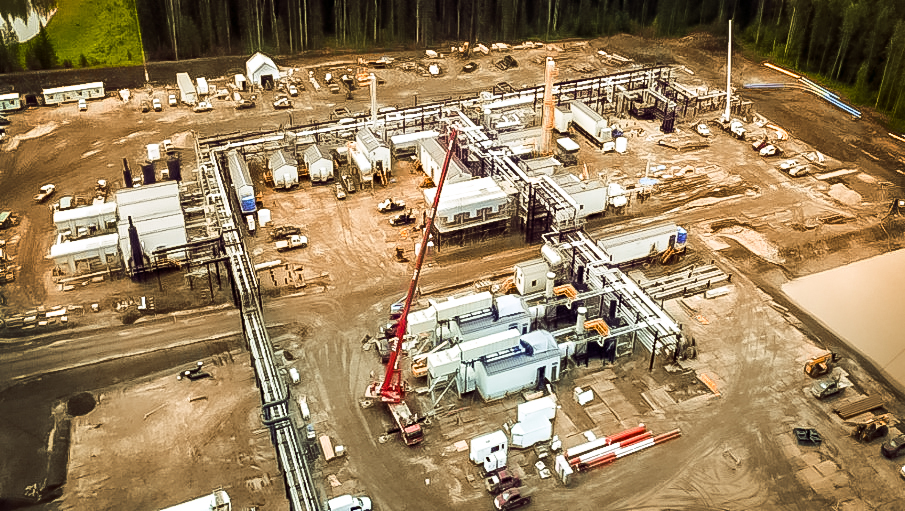
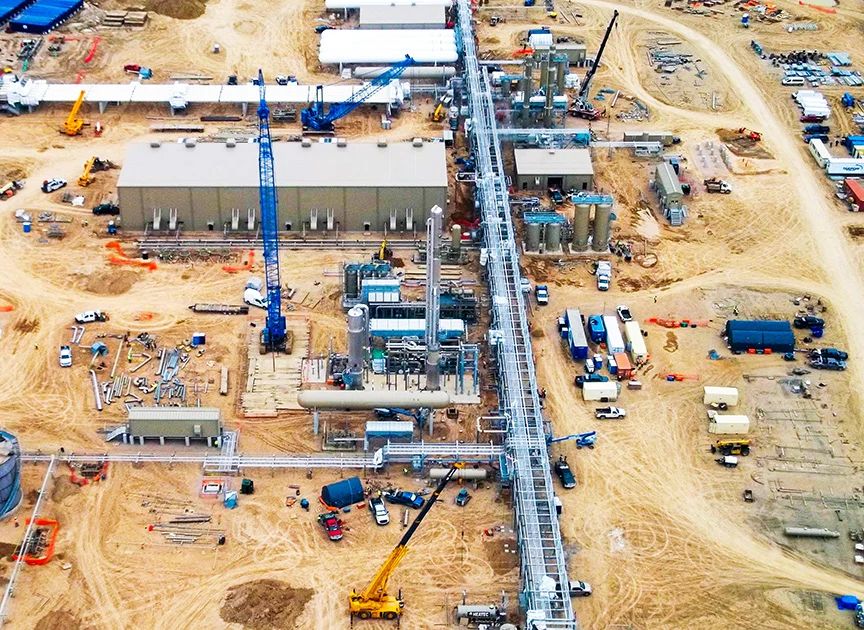
    Our Midstream Client had an existing 180 MMSCFD gas processing facility and wanted to add another 400 MMSCFD processing equipment across two new processing trains. The new expansion was required to have its own inlet, flare, utilities and gas processing trains. There was a desire to leverage the existing site electrical and control systems for the expansion.

    The Solution

    • Lump sum engineering
    • Lump sum DeltaV configuration and commissioning
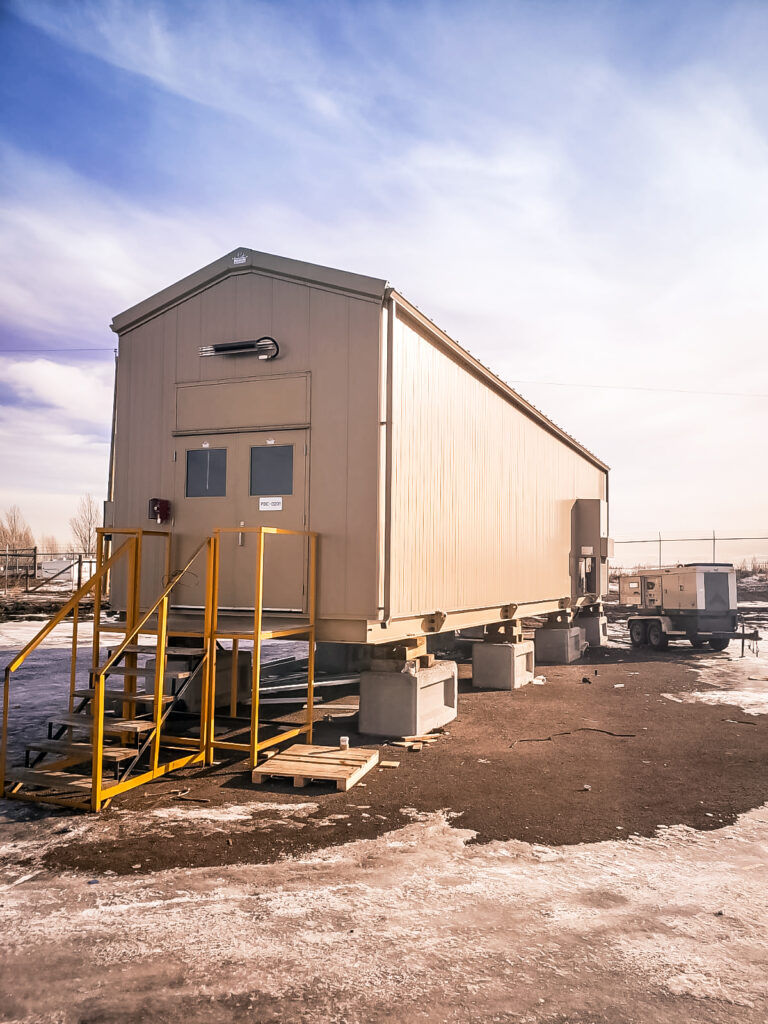
    • Lump sum supply of (4) PDC buildings including MV and LV electrical systems and control systems
    • DeltaV control cabinets and 9 RIO cabinets
    • Project included 14 MW of prime generations via solar turbines
    • 1200 IO point systems
    • Integrated FAT testing in Calgary
    • On-site pre-commissioning and commissioning

    The Results

    • Electrical packages arrived before the mechanical system
    • Lowered construction costs with a distributed network and electrical system
  • Importing Industrial Equipment into Alberta: Pressure Vessel and Piping Compliance Explained

    Importing Industrial Equipment into Alberta: Pressure Vessel and Piping Compliance Explained

    Introduction

    Importing industrial equipment into Alberta is not as simple as crossing the border. Alberta regulates pressure vessels, pressure piping, and related systems at the provincial level through the Alberta Boilers Safety Association (ABSA), creating unique requirements for owners, EPCs, and equipment suppliers.

    Failure to address these requirements early—especially when importing used or surplus equipment—can result in customs delays, rejected equipment, forced retrofits, or extended commissioning timelines. This article outlines the key regulatory requirements governing pressure equipment in Alberta and explains how proactive compliance planning reduces project risk.

    1. ABSA Jurisdiction and Pressure Equipment Regulation

    Pressure equipment in Alberta is governed under the Pressure Equipment Safety Regulation (PESR), administered by the Alberta Boilers Safety Association (ABSA). ABSA is responsible for ensuring the safe design, construction, installation, and operation of pressure vessels, pressure piping, boilers, and fittings.

    More information on ABSA’s role and authority can be found at:
    https://www.absa.ca

    1. Pressure Vessel Requirements for Imported Equipment

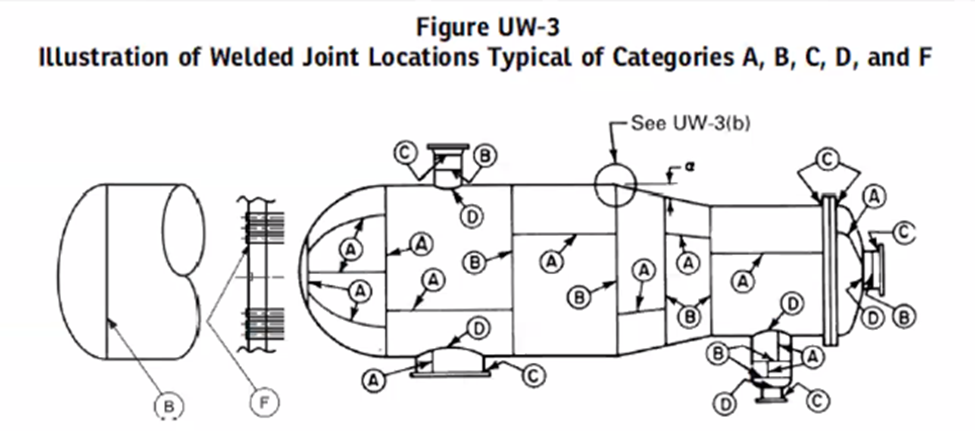
    Pressure vessels imported into Alberta must comply with ASME Section VIII and be formally registered with ABSA prior to installation.

    Key requirements include:

    • Canadian Registration Number (CRN)
    • P.Eng-stamped design calculations
    • Manufacturer’s Data Reports
    • ABSA-recognized fabrication and inspection records
    • Material traceability and NDE documentation

    Used pressure vessels often require additional engineering review to validate original design conditions, service history, and suitability for continued operation.

    1. Pressure Piping Design Registration

    Pressure piping systems require formal design registration with ABSA, regardless of where fabrication occurs.

    Commonly applied codes include:

    • ASME B31.3 – Process Piping
    • CSA Z662 – Oil and Gas Pipeline Systems

    Design submissions typically include P&IDs, line designation tables, piping specifications, stress analysis (where required), and P.Eng-stamped documentation.

    ABSA guidance on piping design registration is available at:
    https://www.absa.ca/registration/pressure-piping

    1. Quality Management and Fabrication Controls

    Manufacturers and contractors may be required to maintain an ABSA-registered Quality Management System (AQP) to fabricate or assemble pressure equipment for use in Alberta.

    These systems govern welding procedures, welder qualifications, NDE, pressure testing, document control, and material traceability. Details on ABSA quality programs can be found at:
    https://www.absa.ca/quality-management

    1. Electrical and Structural Compliance

    Pressure equipment compliance must be coordinated with electrical and structural requirements.

    Electrical systems must comply with:

    • Canadian Electrical Code (CSA C22.1)
    • CSA or UL-C certified components
    • P.Eng-stamped electrical drawings

    Structural systems must meet:

    • Provincial building code requirements
    • CSA W59 welding standards
    • Site-specific wind and snow load criteria
    1. Special Considerations for Used and Surplus Equipment

    Used equipment introduces additional risk due to incomplete documentation, unknown modification history, and outdated codes of construction. Alberta regulators frequently require engineering assessments or re-registration before acceptance.

    CANUSA EPC has executed multiple projects involving reused equipment, including the NGL Fractionation Train Project, where previously utilized process equipment was integrated into a new fractionation facility while meeting Alberta pressure equipment and ABSA regulatory requirements:
    NGL Fractionation Train

    Similarly, the Expandable Gas Treatment Facility Project demonstrates how phased facility development and redeployed equipment can be successfully executed when regulatory compliance is addressed early in the design process:
    Expandable Gas Treatment Facility

    For additional insight into the regulatory challenges associated with used equipment, view our Used Equipment Webinar:
    https://youtu.be/u26kI4QzzvQ?si=yQ1Hrxwhs5By6LTo

    1. Why Compliance Before Shipping Matters

    Addressing Alberta compliance requirements before equipment is shipped:

    • Reduces border delays
    • Avoids field rework
    • Prevents inspection failures
    • Protects project schedules and capital budgets

    Projects involving reused pressure vessels or expandable process facilities benefit significantly from early engineering alignment with ABSA requirements.

    Conclusion

    Importing industrial equipment into Alberta requires more than ASME code compliance. Provincial registration, ABSA oversight, and P.Eng involvement are mandatory—particularly for pressure vessels and pressure piping systems.

    Early compliance planning is especially critical for projects incorporating used or surplus equipment. With proper regulatory alignment, these assets can be successfully redeployed while maintaining safety, schedule certainty, and long-term operability.


    If you are planning to import new or used industrial equipment into Alberta, our team can support ABSA registration, CRN management, engineering assessments, and full EPC execution. Contact us early to reduce regulatory risk and protect your project schedule.

    __________

    Author(s)

    Beckie Ryan

  • NGL Fractionation Train

    NGL Fractionation Train

    The Challenge

    Development plans and contractual obligations required the Client to receive and process additional NGL volumes from truck-in through their existing fractionation process. This would allow the Client to capture the value of the fractionation products in the local market that would otherwise be passed down the value chain. The current process was limited in NGL storage volumes, tower capacities, re-boiler duties and product recoveries.

    The Solution

    CANUSA EPC provided, under a lump sum contract, value engineering and definition for the Client’s requirements.

    • Simulation through ProMax and utilized raw data to evaluate the sizes and internals of the current equipment
    • Completion of a What-If to assess the design impact of handling impurities (sour and water) on the front end
    • Operational improvements
    • Resolved DeC2 liquid level flooding
      ▪ De-bottlenecked DeC3 and DeC4 tower pressures
      ▪ Ensured product purities year-round
      ▪ Upgraded the storage area for increased volumes and trucking logistics
      ▪ Surge drum analysis to support inlet fluctuations
      ▪ Simplified product cooling design and controls
    • Procurement plan development to support budgeting
      ▪ Fractionation package
      ▪ NGL bullet, transfer pump skid and vapor return compressor
    • Repurpose of existing equipment to leverage in new design
      ▪ Heat medium exchange
      ▪ Fractionation coolers and reflux system
      ▪ Product storage and loadin

    The Results

    CANUSA EPC completed a capacity study and found a low-cost option that would provide for future expansion.

    • NGL fractionation capacity of 2,000 BPD with turndown to 240 BPD
    • TIC of $5MM for installation of the equipment
    • C3 and C4 product purities of 99%+
    • C5 product purity of 650 kg/m3 and 5% C4
    • Integration of 1 MMBTU/hr of waste heat to reduce OpEx as well as cooler and re-boiler duties
  • Natural Gas Processing Facility Alberta

    Natural Gas Processing Facility Alberta

    The Challenge

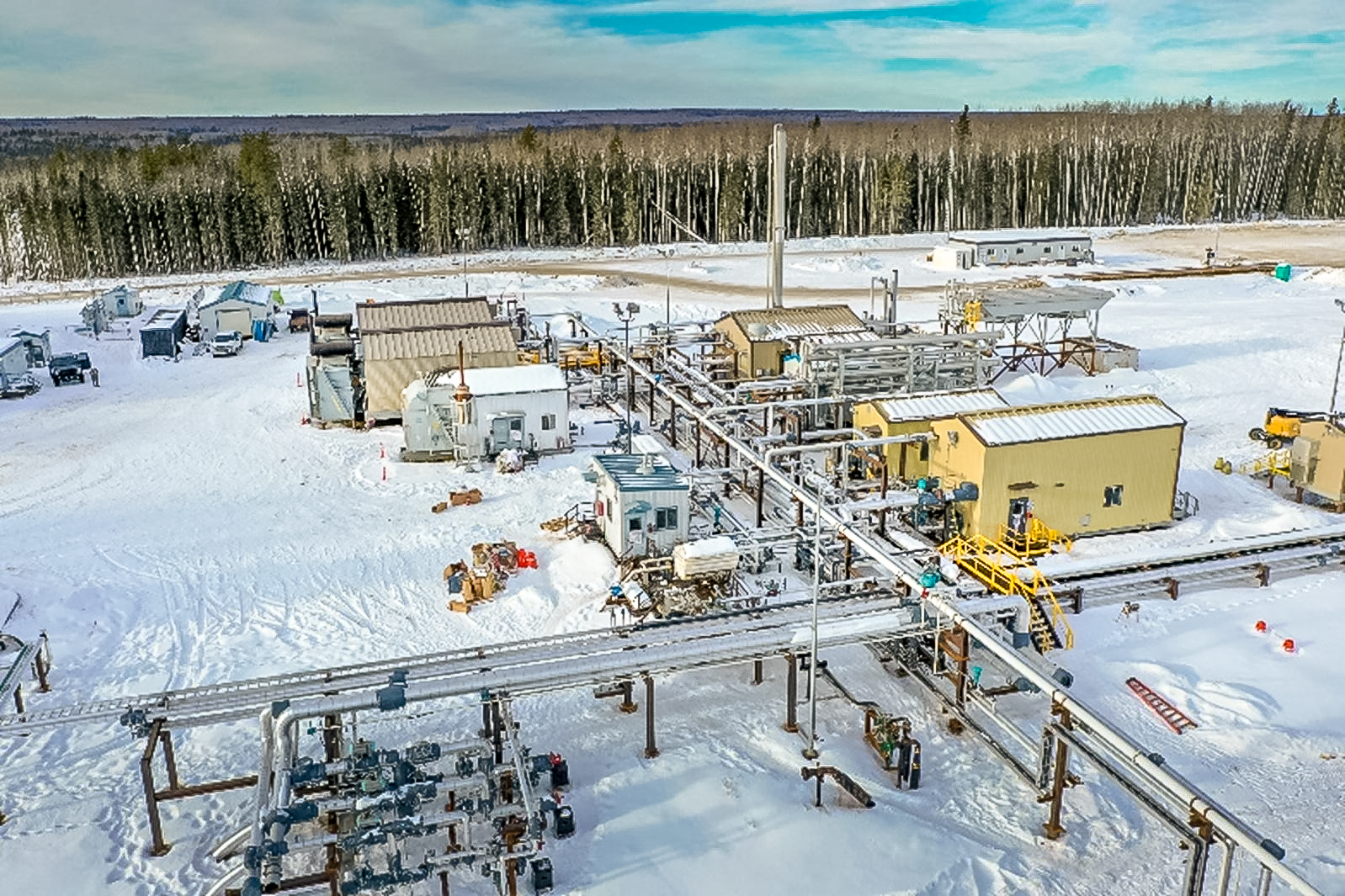
    Client directives for Environmental, Social, and Governance (ESG) in their development plans required that the increased oil production not require additional venting or flaring of associated gas. A feasibility design was required to determine the funding requirements to execute the project. The Client selected a brownfield sales metering station to convert a process plant capable of 20+ MMSCFD of gas and upgrade an adjacent oil treating facility to handle associated gas with their production plans.

    The Solution

    CANUSA EPC was contracted to offer Engineering, Procurement, and Construction Management (EPCM) services.

    • Procurement services to retrofit used and surplus equipment
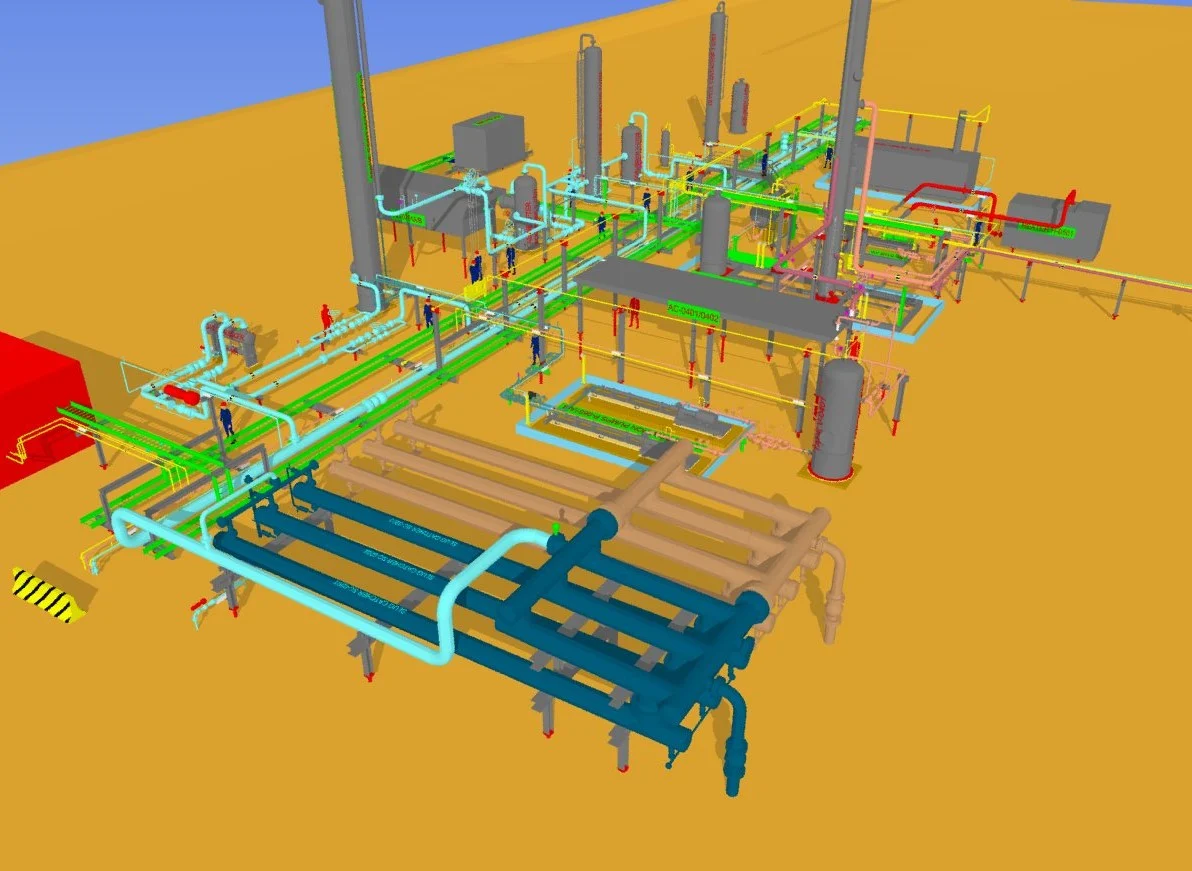
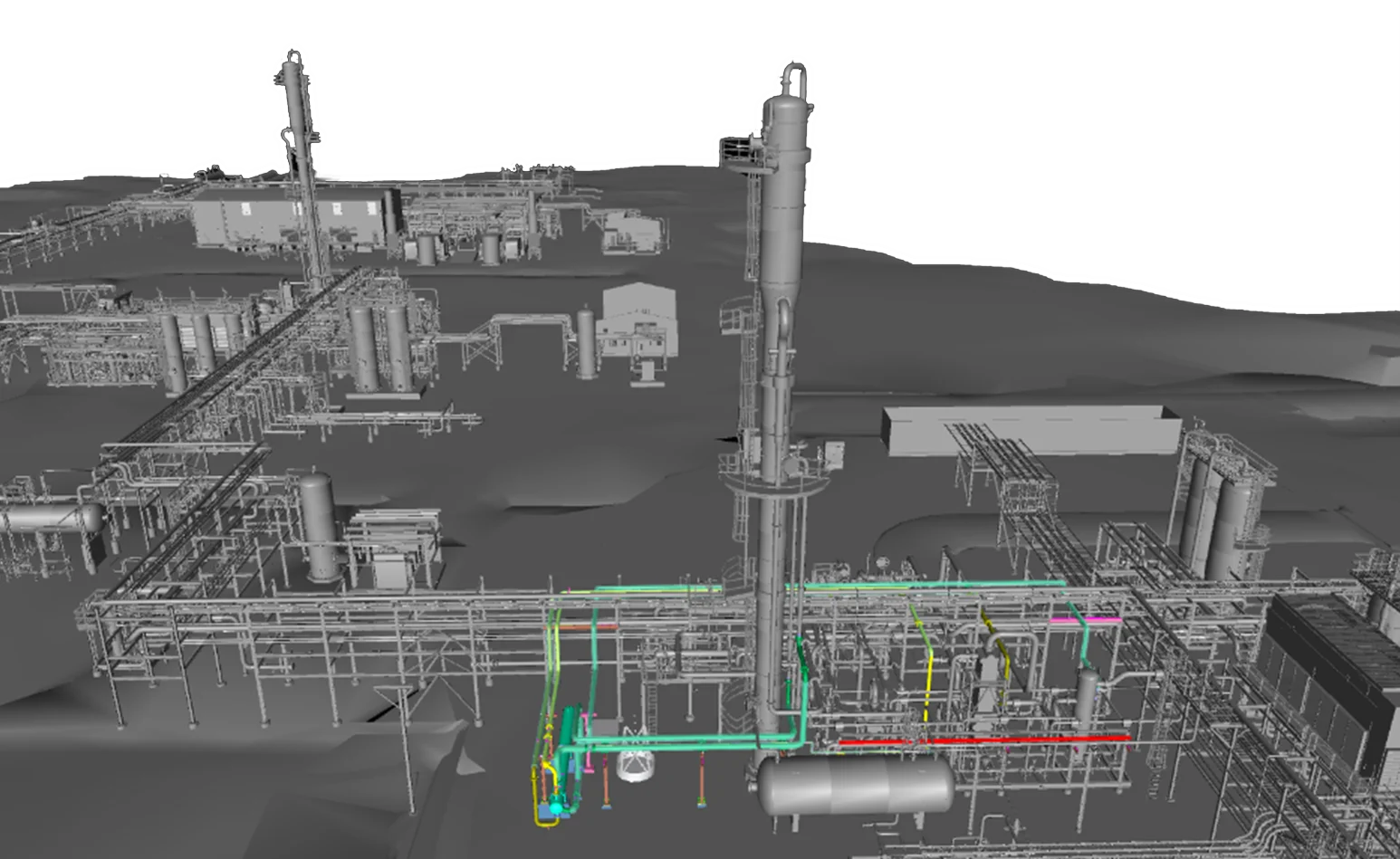
    • Developed a complete site model to accurately determine equipment requirements and weld inches
    • NGL handling and tie-in to existing oil battery
    • Deep Cut Refrigeration was selected for HCDP control
      • Designed and installation of a VRU to recover tank vapors
      • Added pipelines and liquid handling equipment including a treater
      • Explore options to utilize waste heat from cooling hot, treated oil
    • Designed a glycol waste heat system to offset heat trace loads

    The Results

    Lowered emissions of produced oil, meeting regulatory and client-mandated ESG commitments

    • Utilized 7 MMBTU/hr of waste heat
    • Added electrostatic treater to reduce energy requirements of treating the oil

    Executed TIC of $21MM for the gas plant project

    • Realized an additional 525+ bbl/d of NGL production
    • Realized $5MM+ in capital savings with surplus equipment

    Gas plant placed into operation within 8 months of EPCM Kick-Off Meeting

    Increased oil production by 7,000 BPD with the recovery of associated gas

  • Expandable Gas Treatment Facility

    Expandable Gas Treatment Facility

    The Challenge

    A new gas producer presented an opportunity for our Client to gather their gas. This gas required treatment before meeting pipeline sales gas specifications for the area. The producer insisted on a tight time frame for being ready to receive gas. Fortunately, our Client had idle equipment available for gas sweetening and gas dehydration at a site that was decommissioned. By using this existing equipment at the new site, up to 80 MMSCFD could be processed initially, plus future expansion capabilities up to a total of 200 MMSCFD.

    The Solution

    CANUSA EPC visited the decommissioned site to verify the available major equipment and understand the power and controls package.  Engineered valves and process piping that might be reused or refurbished were identified.

    Developing a Plan:

    • Evaluated the capacity of the existing amine treater package and dehydration equipment
    • Identified new equipment required for the balance of the facility
    • Developed design basis to capture required project technical requirements

    Sourcing New Equipment:

    • High-pressure inlet slug catcher
    • BTEX condenser and combustor
    • Storage tanks
    • Control room building and PLC

    Execute Value Engineering and Procurement to Accelerate the Project Schedule:

    • PSV calculations for, and safety review of, all existing and new equipment
    • Design of finger-type inlet slug catcher versus procurement of high-pressure vessel
    • Evaluate and recommend helical pile foundation deployment
    • Sourced major electrical tie-in equipment

    The Results

    • Deployed pile foundations to remove concrete cure time requirements from the construction schedule
    • Utility and electrical equipment sourced and removed from the critical path
    • Mechanical design allows for the future expansion of the facility throughput to 200 MMSCFD
  • Cryogenic Plant Optimization

    Cryogenic Plant Optimization

    The Challenge

    CANUSA EPC’s Client needed to determine the capability of throughput capacity for a dual-train plant related to rejection and recovery operations. Due to the minimum operating costs of the plant, the Client wanted to evaluate which major equipment could be upgraded to allow single or dual-train operations. Along with restriction conditions, the client desired to understand nameplate operating limits and applicable constraints.

    The Solution

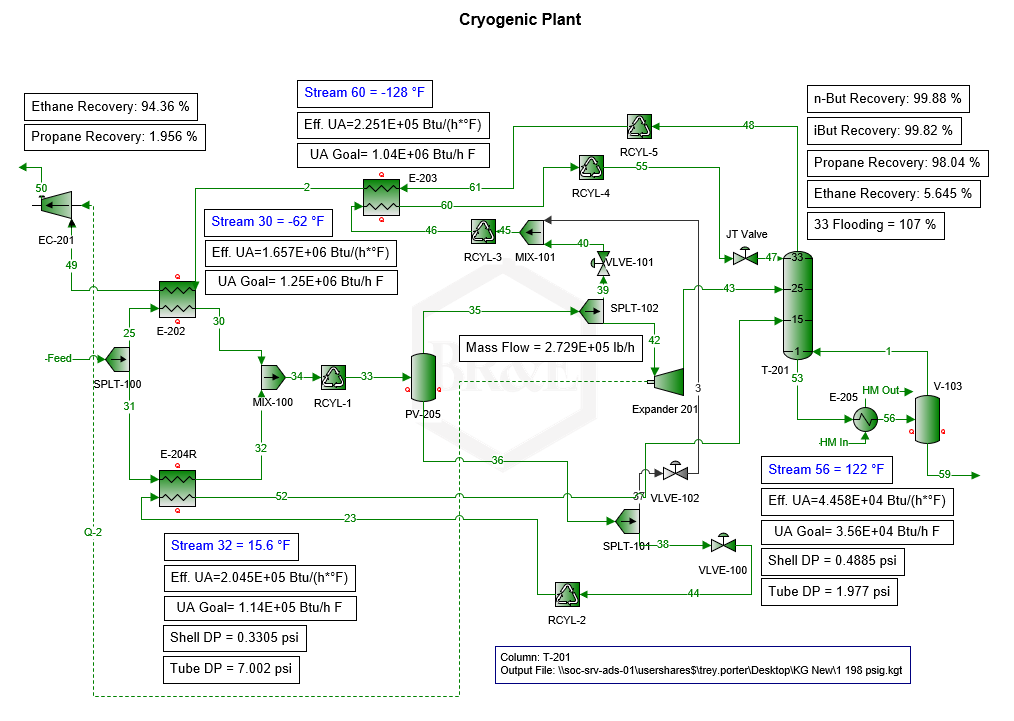
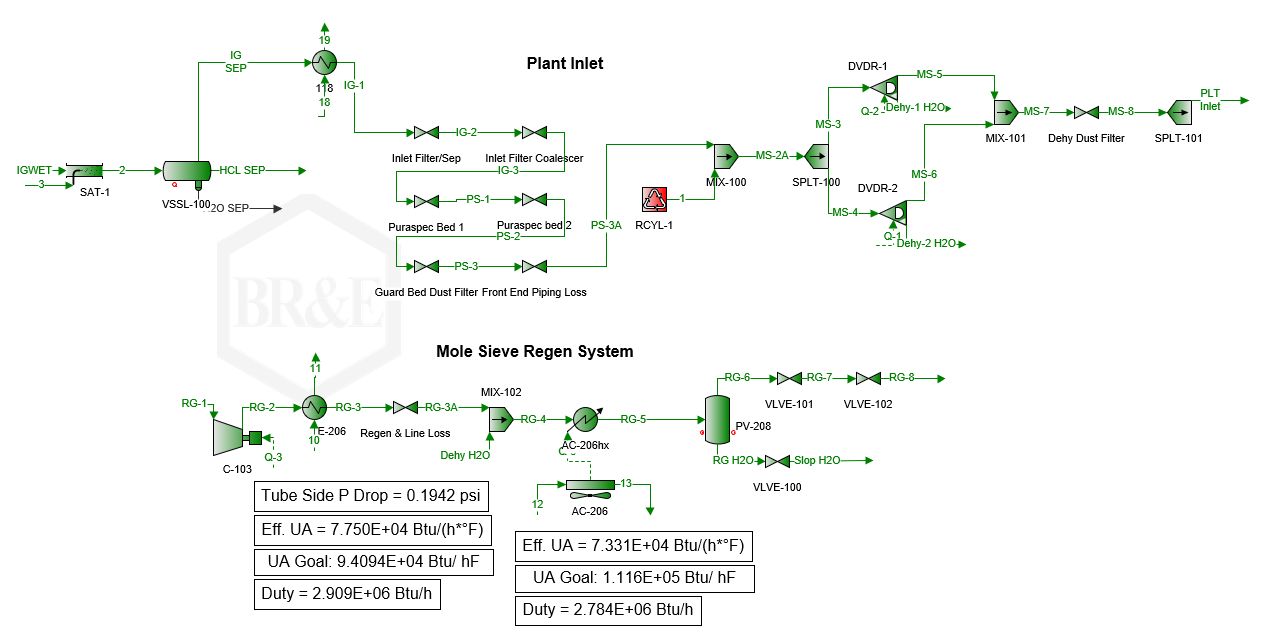
    CANUSA EPC conducted a debottlenecking study to evaluate throughput limiting conditions related to various operating limits for pieces of equipment like guard beds, mole sieves, heat exchangers, towers, etc. Along with equipment considerations, CANUSA EPC ran scenarios for the rejection and recovery operations.

    Process models of the major equipment in ProMax:

    • Modeled cryogenic process for rejection and recovery modes
    • Engaged vendors to determine plant inlet pressure drops through filters/guard beds
    • Simulated mole sieve regeneration/dehydration loops
    • Evaluated residue gas compression and heat content
    • Determined heat transfer properties for exchangers/aerial coolers

    Debottleneck Evaluation:

    • Evaluated key equipment results to remain within equipment limits
      • Tower flooding within KG Tower software
      • Convective heat transfer for heat exchangers and aerial coolers
      • Dehydration media, cycle times, and saturation for mole sieve units
      • NPSHa vs. NPSHr for product and heat-medium pumps
      • Mass flow for expander-compressors
      • Compressor HP and available head capabilities
    • Evaluated nozzle momentum with K-factors and pressure drops across all equipment
    • Evaluated liquid retention time and vapor entrainment for vessels
    • Evaluated the effect on recoveries as plant inlet flow increases

    The Results

    • Determined minimum requirements to increase the throughput of each train by 20 MMSCFD
    • Summarized for operations major equipment restrictions for both recovery and rejection modes
    • Worked with filter vendors to determine maximum operating limits based on filter components
  • Cryogenic Electrical System

    Cryogenic Electrical System

    The Challenge

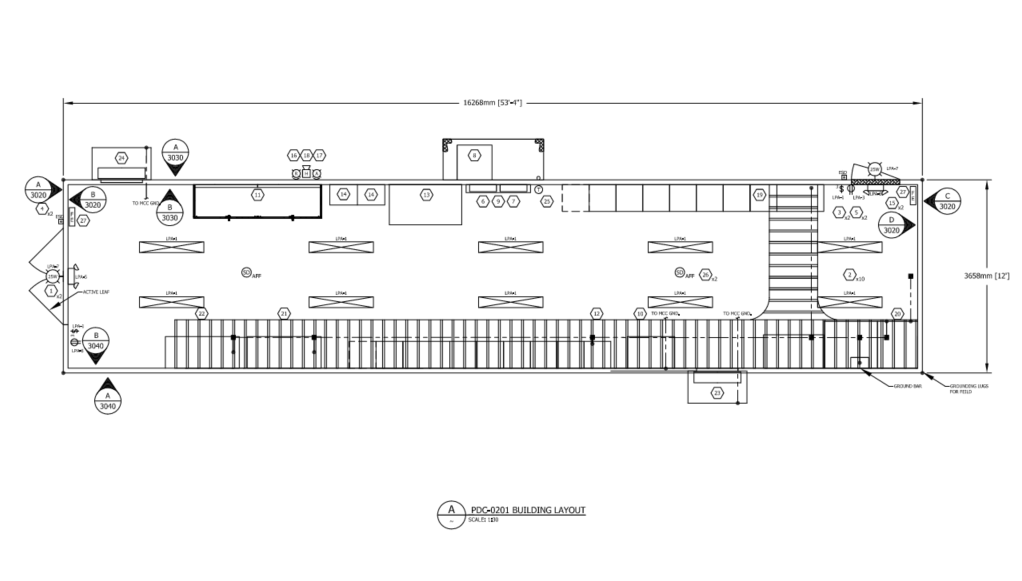
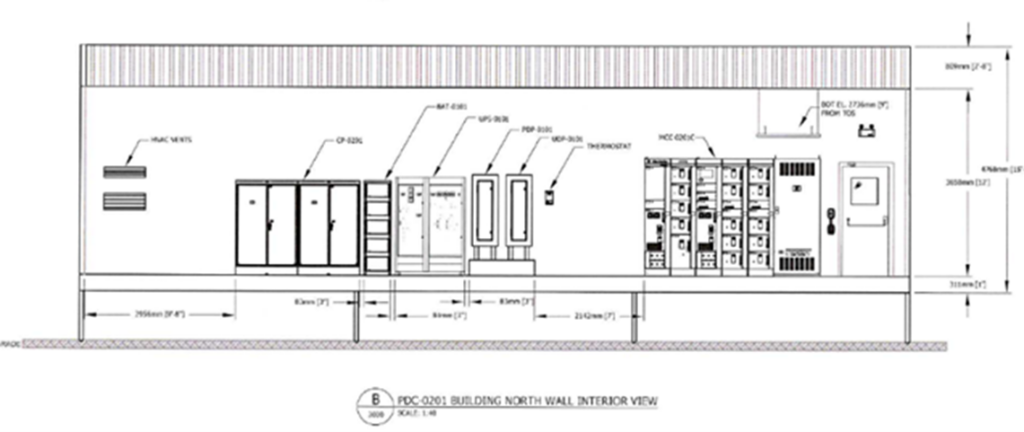
    Our Midstream Client required an electrical system consisting of medium and low voltage PDC buildings as part of their 200 MMSCF/day cryogenic facility which was executed as an EPC model with a large packager. There was a desire to provide an integrated motor control system with the site control platform, but also distribute the system to lower the total installed cost of the package.

    The Solution

    Designing for Construction:

    • Designing for Construction
      • The electrical system was designed to minimize cable runs by placing the buildings closer to the equipment
      • Distributing the electrical system into multiple buildings provided ease of transport and unloading and allowed for staged construction
      • Integration of the PDC and control system minimized onsite interconnects

    Executing to Deliver on Cost & Schedule:

    • Structured a Lump sum supply of (4) PDC buildings including MV and LV systems and control systems to control costs
    • Selected sparing capacity on MCC lineups to accommodate changes from the process/mechanical team
    • Executed integrated testing before shipment to ensure minimal onsite changes

    The Results

    • Low voltage buildings arrived before select mechanical packages allowing for electrical to execute in parallel to mechanical
    • Allowed for addition of VFDs from late changes to the design
    • Bottom entry connections lowered installation costs
  • Repurposing Equipment to Minimize Cost

    Repurposing Equipment to Minimize Cost

    Summary

    Curious about deploying used equipment for your project? Walk through 3 Case Studies on major unit operations and the key considerations for:

    • Repurposing pressure vessels
    • Refrigeration plant relocation
    • Repurposed cryogenic processing plant
    • Lessons learned with repurposed equipment

    After reading this you will be better prepared to ask the right questions of your used equipment vendors to ensure you can budget your projects with used equipment.

  • Repurposing Oil & Gas Equipment: A Cost-Effective Solution?

    Repurposing Oil & Gas Equipment: A Cost-Effective Solution?

    Energy projects face shrinking budgets and tighter timelines. Operators, together with their engineering teams, are challenged to find creative cost-reduction solutions without compromising safety or performance.  

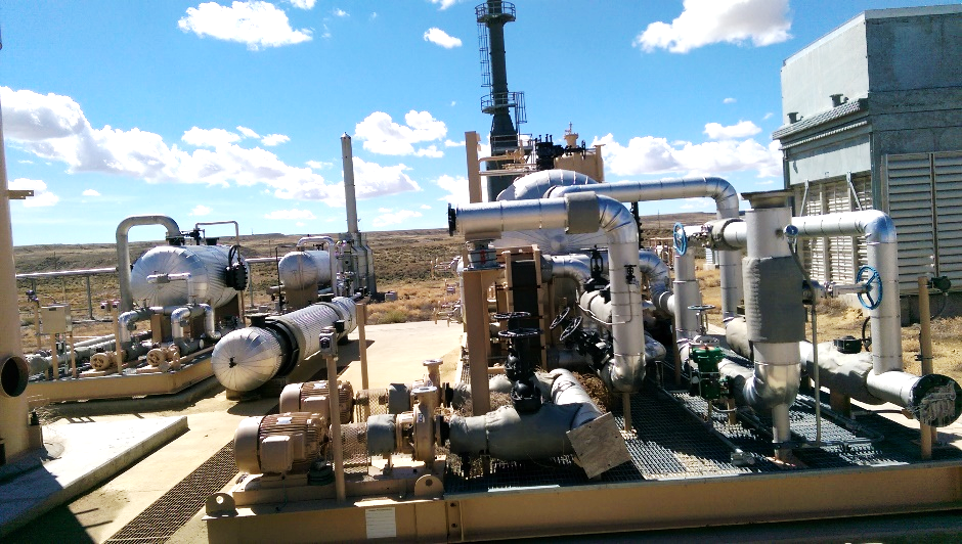
    Reusing, relocating, and repurposing oil and gas equipment, is a popular strategy for its cost-effectiveness. Whether placing existing separators into new services or relocating gas compressors and refrigeration units to new fields, this approach can help you meet deadlines and budget constraints. 

    There are many reasons to explore this strategy; however, ‘proceed with caution’ is our overarching advice. There may be instances in which new equipment is still the more reliable and effective solution. 
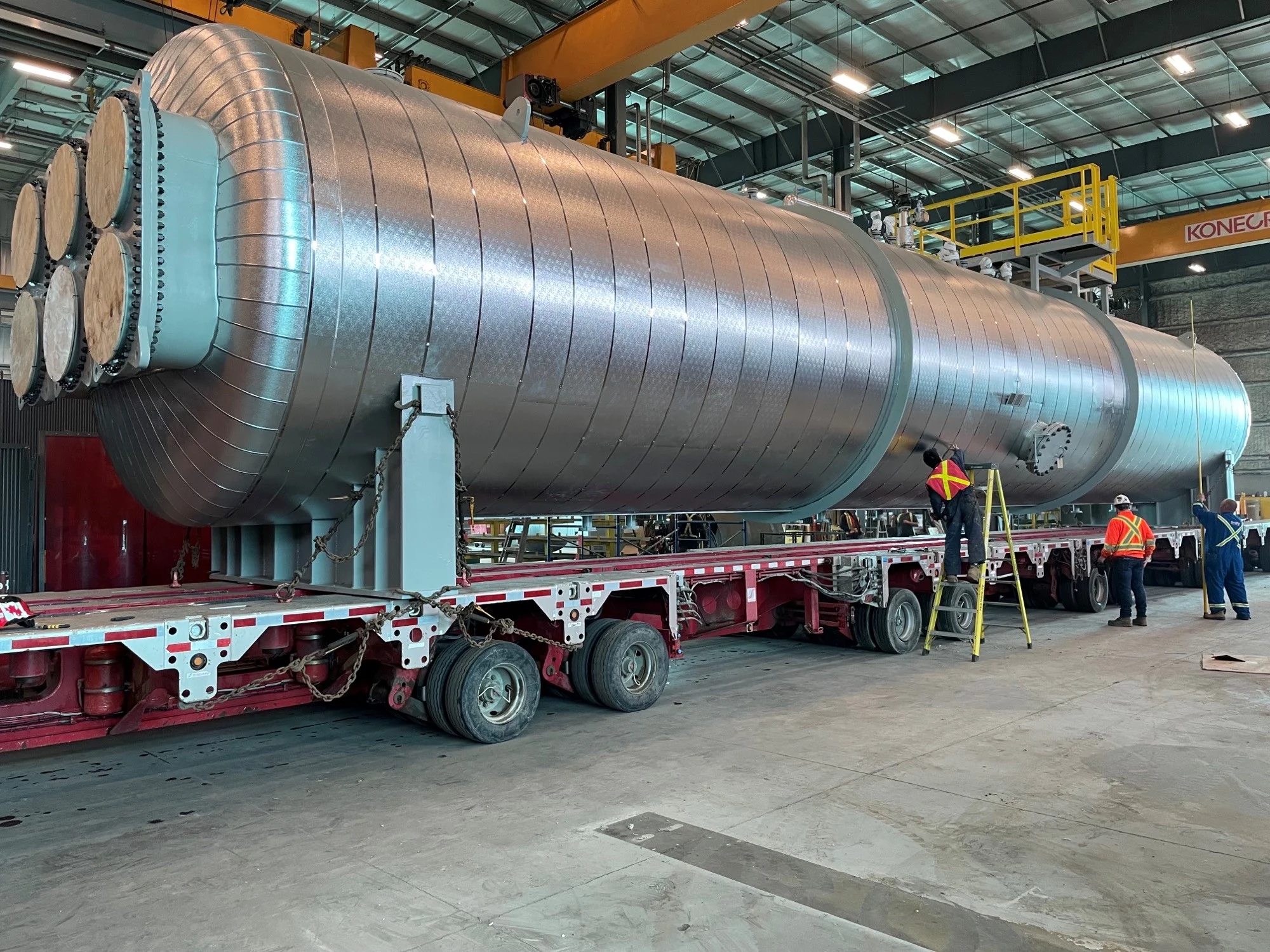
    used equipment on skid

    Benefits of Repurposing Oil and Gas Equipment?

    • Cost Savings:
      Leveraging existing assets can reduce capital expenditure.  This cost savings though if often reduced after include inspection and modification scope for repurposing the equipment.
       
    • Time Efficiency:
      Reused equipment, when available and functional, can often be deployed more quickly than waiting for new orders.
       
    • Sustainability:
      Repurposing equipment aligns with corporate sustainability goals by reducing waste and extending the lifecycle of assets.


    direct fired stabilizer skid

    Key Considerations for Reusing Equipment 

    Governing Codes and Standards
    When repurposing oil and gas equipment, it’s crucial to follow applicable industry standards to ensure safety and performance.  These are some of the most relevant codes: 

    • API 510: Pressure Vessel Inspection Code 
    • API RP 572: Inspection Practices for Pressure Vessels 
    • API 570: Piping Inspection Code 
    • API RP 576: Inspection of Pressure-Relieving Devices 
    • API STD 653: Tank Inspection, Repair, Alteration, and Reconstruction 
    • API STD 579: Fitness-for-Service 

    Compliance with these standards ensures that reused equipment can be safely integrated into new operations. 

    API | Purchase API Standards & Software


    ASME
    In addition to API codes, several other standards must be adhered to, depending on the jurisdiction and specific industry requirements. Organizations must follow all application health and safety regulations.  


    CODES/STANDARDS FOR REUSING EQUIPMENT IN CANADA

    CSA Standards (Canadian Standards Association): 

    • CSA B51: Boiler, Pressure Vessel, and Pressure Piping Code: Governs the construction, installation, inspection, and certification of pressure vessels and piping systems across Canada. 
    • CSA Z662: Oil and Gas Pipeline Systems: Governs the design, construction, operation, and maintenance of pipeline systems in Canada. It’s essential for any relocation or repurposing of gas pipelines and similar systems. 
    • CSA W59: Welded Steel Construction: This is relevant for any welding work needed in repurposing or relocating equipment. 

    Provincial and Territorial Regulations: 

    • Each Canadian province and territory havs its own regulatory body that oversees pressure vessels and related equipment. For example, ABSA (Alberta Boiler Safety Association) in Alberta regulates pressure equipment safety in the province. 


    CODES/STANDARDS FOR REUSING EQUIPMENT IN THE USA

    ASME (American Society of Mechanical Engineers) Codes 

    • ASME Section VIII: Rules for Construction of Pressure Vessels: This code is widely used across the United States and is also accepted in Canada. 
    • ASME B31.3: Process Piping: This applies to piping used in chemical, petroleum, and related industries. 

    National Board Inspection Code (NBIC)

    • A key standard in the United States for the inspection, repair, and alteration of pressure vessels and boilers. 


    CROSS-BORDER COMPATIBILITY

    If equipment is being relocated across borders (e.g., from the U.S. to Canada or vice versa or state-to-state), it’s important to ensure that the equipment complies with the local regulatory standards in the new jurisdiction. 
     

    hand and monitoring device inspecting used equipment

    Inspection Requirements 

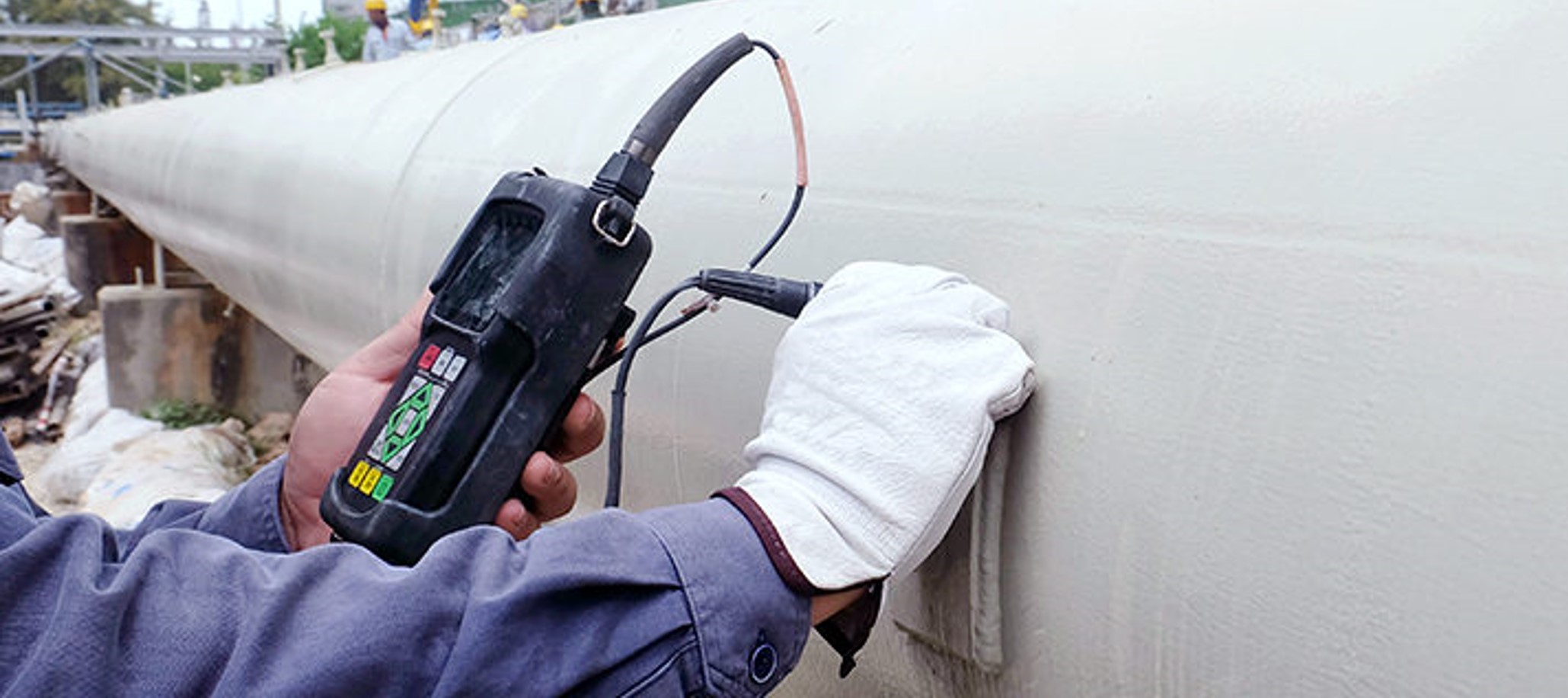
    Before deploying any equipment into new service, a thorough inspection is necessary. A detailed inspection plan should be developed based on the equipment’s condition, service history, and the specific requirements of the new application. 

    Key Inspection Elements: 

    • Service History: Understanding the previous operational conditions is critical. Identify signs of corrosion, cracking, blistering, and other types of degradation. Key factors include material thickness, the presence of under-insulation corrosion, and dimensional changes. 
    • Non-Destructive Examination (NDE): Depending on the equipment’s condition, this may include ultrasonic thickness measurements, radiographic inspections, and magnetic particle testing. 
    • Confined Space Entry Requirements: Ensure proper safety protocols are in place, as many inspections may require confined space entry. 
    • Documentation Review: It’s critical to review previous drawings, inspection records, and any reports related to modifications, damage, or repairs. 
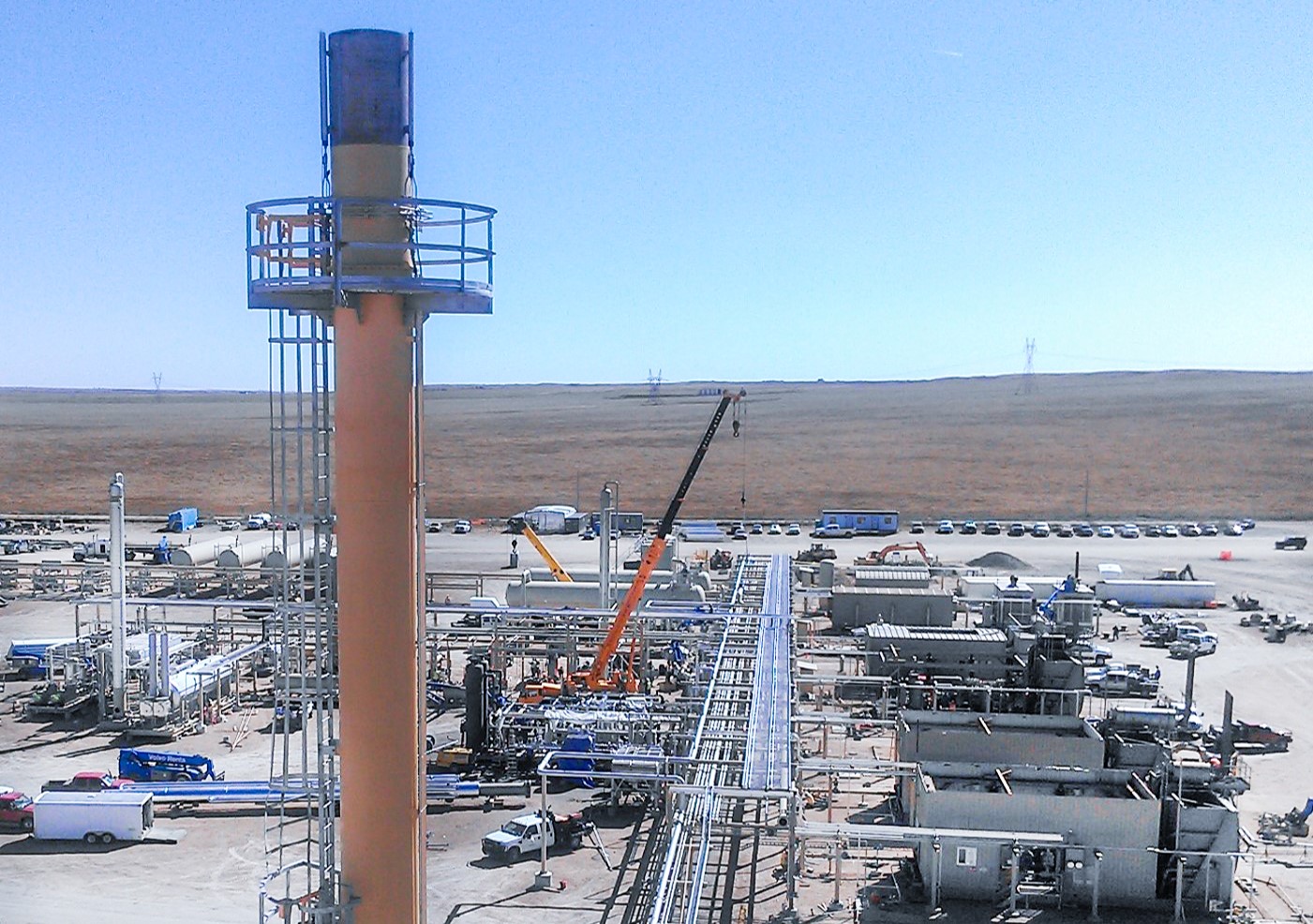
     

    birds eye view of oil and gas site

    Challenges in Documentation and Material Verification 

    Lack of proper documentation (e.g., missing original equipment drawings or insufficient inspection records) is a significant red flag.  

    For pressure vessels, the ASME Code Section VIII, Division I, UG-10(c) provides guidance for handling unknown materials, but it may lead to conservative assumptions, such as reducing the maximum allowable stress and working pressure. 

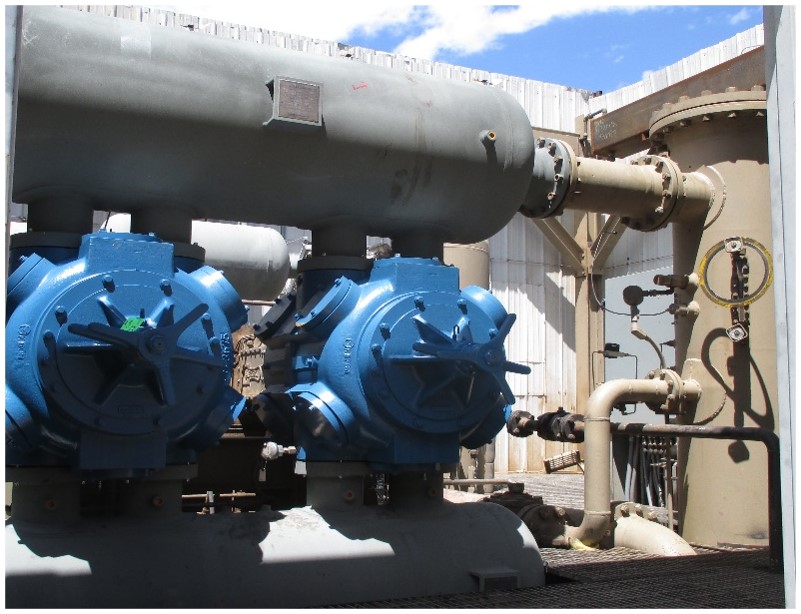
    For cryogenic skids, ASME B31.3 (Process Piping) and Section VIII, Division I provide guidance on material selection and stress analysis. When dealing with unknown materials in cryogenic service, you must perform material verification, including testing for low-temperature toughness. If material properties cannot be confirmed, conservative assumptions such as derating the design temperature and applying a lower allowable stress may be necessary, potentially impacting the overall performance and safety of the skid in cryogenic applications. 
     

    Case Example: When Re-purposing Costs More 

    While repurposing equipment can lead to savings, without the proper pre-evaluation, there is great risk that it could have the opposite effect.  

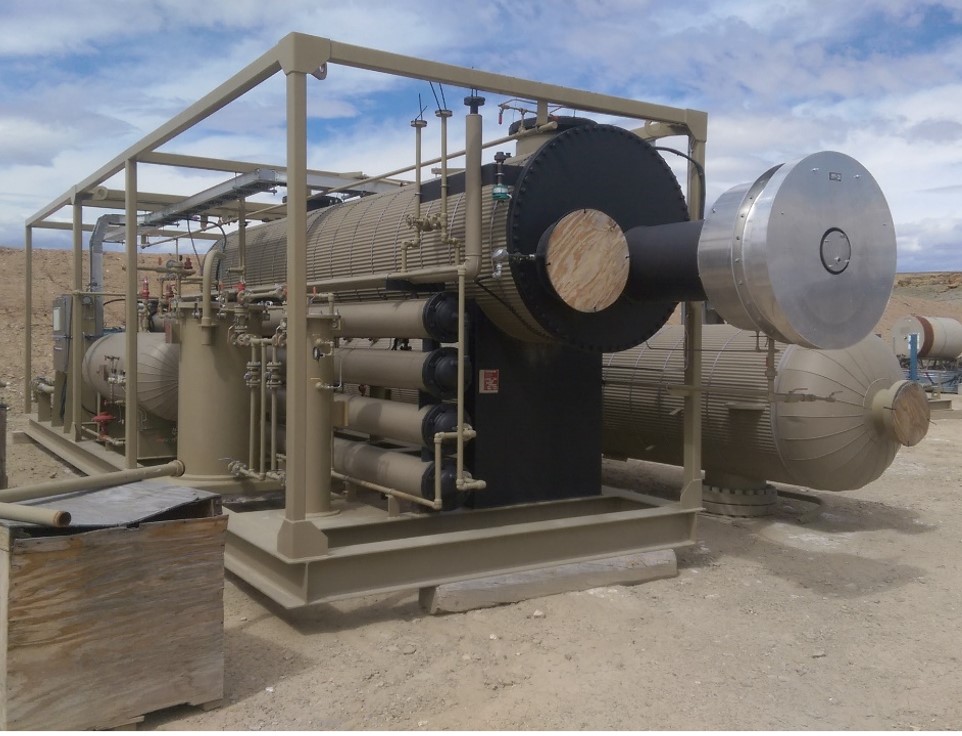
    Consider a 5,000 bpd stabilizer skid package with an on-skid direct-fired reboiler.  

    Overseen safety concerns necessitate replacing the burner fire tube with a custom electric heater. This modification incurred costs that exceeded the procurement of a traditional reboiler unit. Additionally, shop installation delays pushed the project past the lead time for new equipment. 
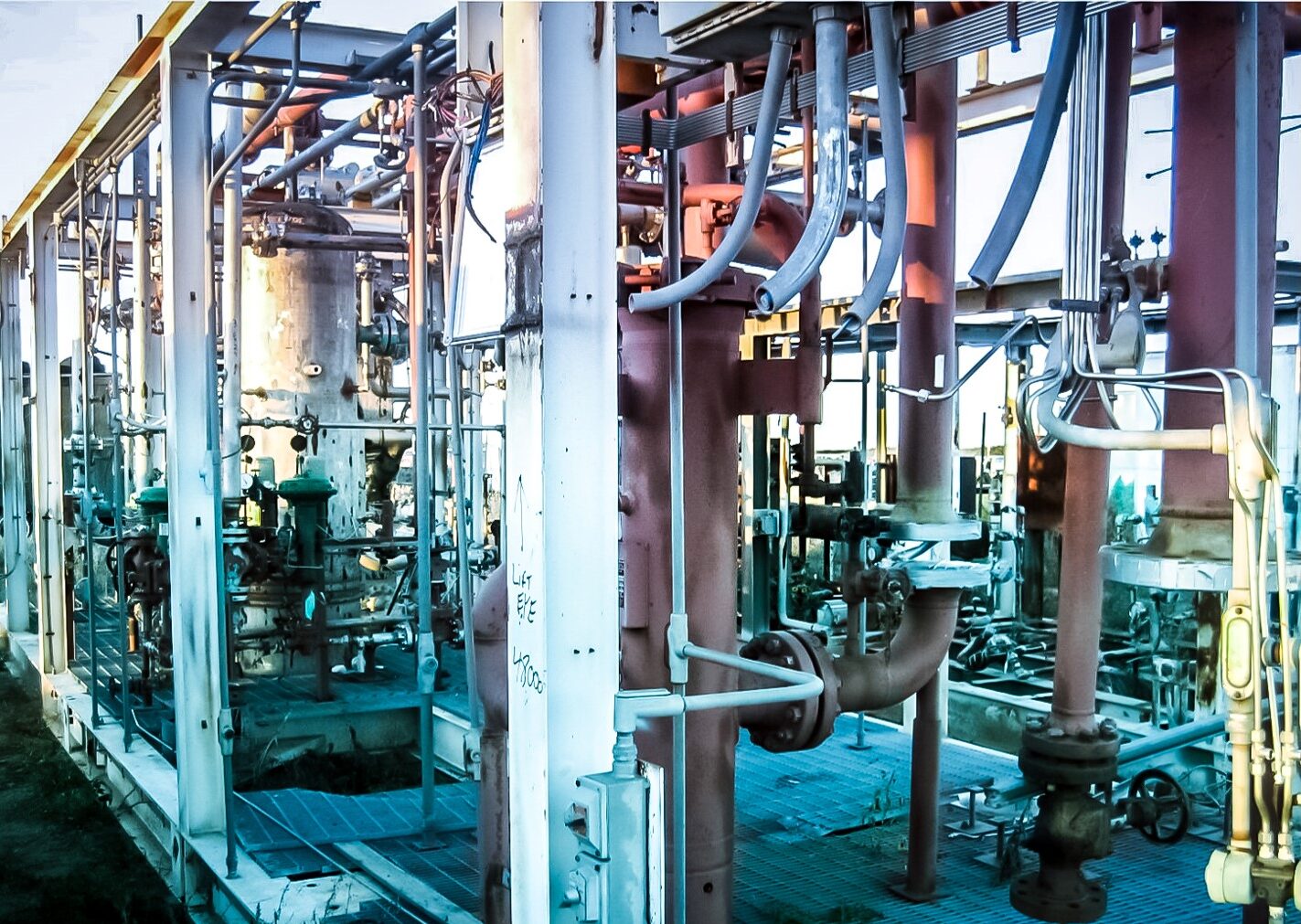
     

    equipment on cryogenic skid

    Is Reused Equipment Always Faster and Cheaper? 

    The benefits of reusing equipment must be weighed against potential downsides, such as: 

    • Modifications that are more expensive than anticipated. 
    • Delays caused by unforeseen repair or upgrade needs. 
    • Documentation issues that result in excessive safety factors and reduced efficiency. 

    In some cases, especially with high-pressure equipment, the savings from repurposing can be significant. However, lower-pressure systems may not justify the additional effort, and purchasing new equipment might be the more cost-effective solution in the long run. 
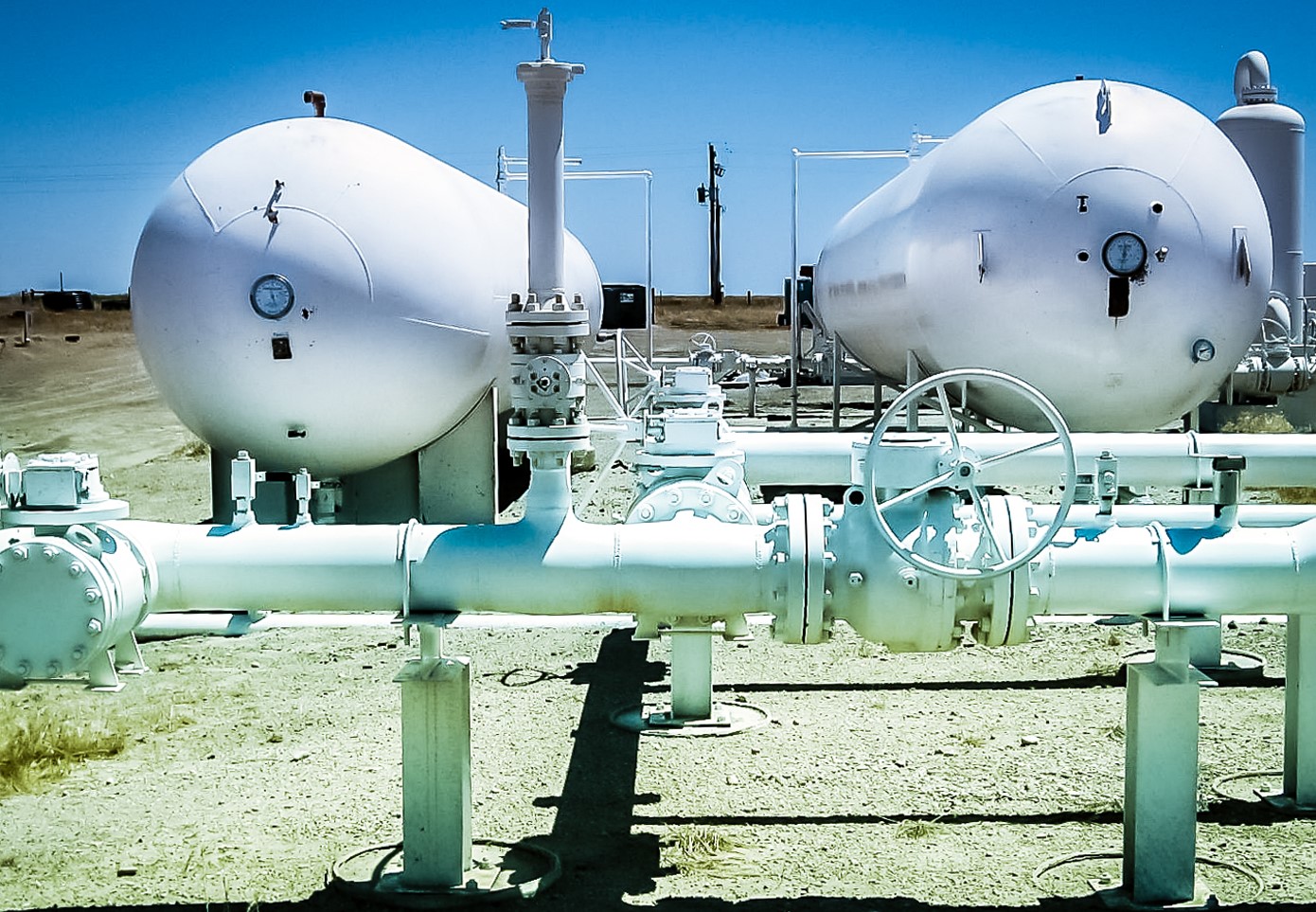
     

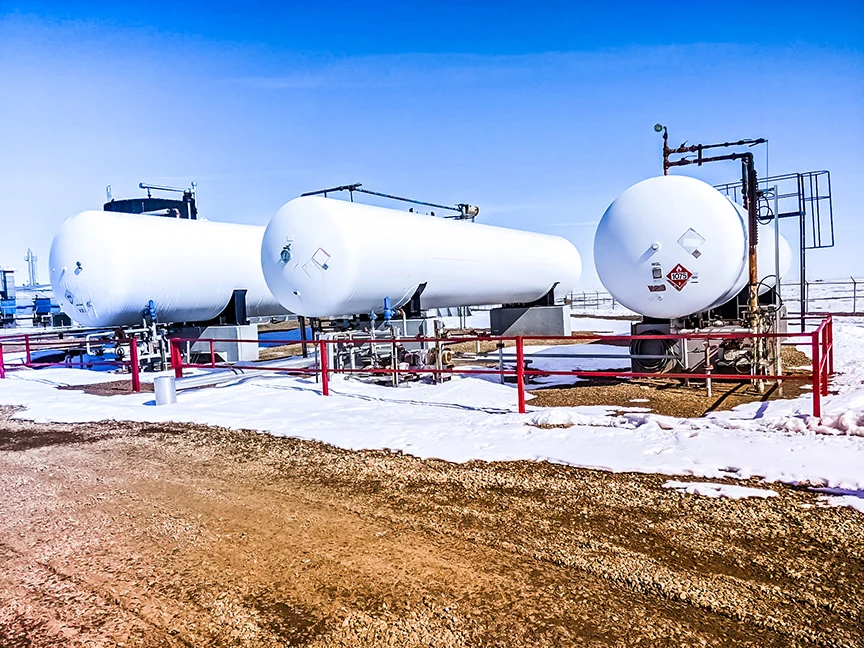
    bullet vessels on oil and gas site

    How to Be Sure: Inspections for Assessing the Viability of Used Equipment 

    While reusing equipment has clear advantages, in some cases, new equipment may still be the more reliable and effective solution.  

    Your engineering team must be able to clearly identify the risks and rewards of deploying used equipment. A thorough inspection and documentation verification will empower you to make informed decisions about equipment use, while balancing cost, time, and safety. 

    Consider: 

    • Involvement of Engineering Early On:
      Involving engineers in the evaluation process can identify potential risks and help determine whether the repurposed equipment will meet operational requirements.
       
    • Transparent and Clear Documentation/Inspection Findings:
      Without these, the project could face significant delays and/or incur higher costs.
       
    • Creative Solutions:
      Sometimes, existing equipment needs only minor adjustments to function in a new service. These modifications must be balanced against the cost and time of new equipment procurement.


    If you have access to used equipment and are curious of the potential savings – connect with us.
    It is vital to properly assess the risks and rewards!
  • Replay: Used Equipment Roundtable Event

    Replay: Used Equipment Roundtable Event

    Summary

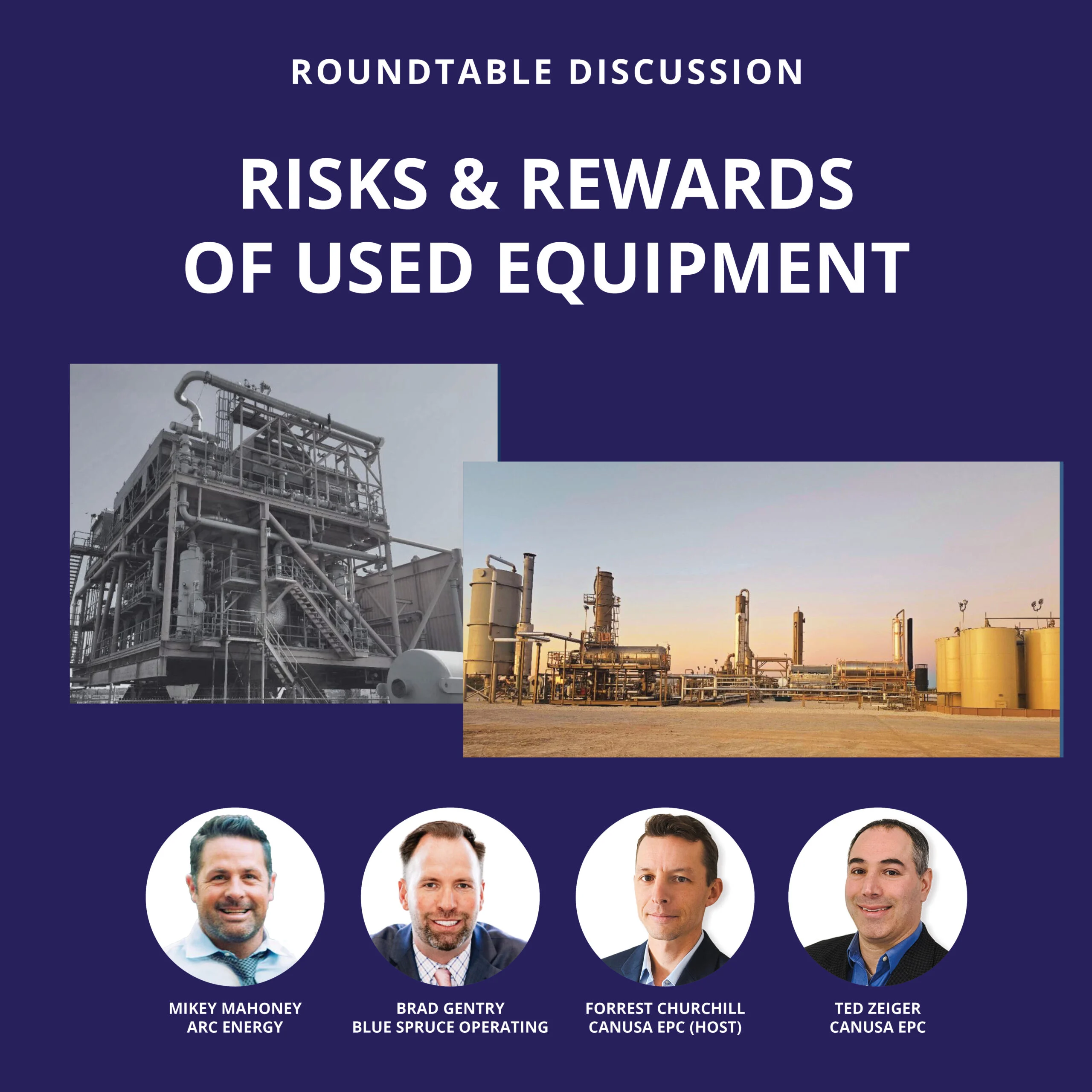
    Repurposing used or reconditioned equipment can expedite schedules and reduce costs; it can also cause drastic problems if not executed correctly. We assembled an expert panel to answer all of your questions on leveraging used equipment. Topics covered: mechanical integrity approaches, key evaluation metrics, considerations for the impact of reconditioning equipment for PSM programs, and more.

    Watch the replay: